David Lat
 David Lat, the founding editor of Above the Law, is a lawyer turned writer and speaker. You can read his latest writing about law and the legal profession by subscribing to Original Jurisdiction, his newsletter on the Substack platform. David's book, Supreme Ambitions: A Novel (2014), was described by the New York Times as "the most buzzed-about novel of the year" among legal elites. David previously worked as a federal prosecutor, a litigation associate at Wachtell Lipton, and a law clerk to Judge Diarmuid F. O'Scannlain of the U.S. Court of Appeals for the Ninth Circuit. You can learn more about David on his personal website; you can connect with him on Twitter (@DavidLat), LinkedIn, and Facebook, and you can reach him by email at davidlat@substack.com.
 Posts by David Lat
-
 Courts, Supreme Court
Supreme Court Clerk Hiring Watch: Meet Justice Amy Coney Barrett's Clerks
Following precedent, Justice Barrett has hired clerks with either prior SCOTUS clerkship experience or prior experience clerking for her. -
Courts, Supreme Court
What Will Happen To Justice Ruth Bader Ginsburg's Law Clerks?
They'll find homes with other justices -- most likely, justices close to RBG on the ideological spectrum.  Sponsored
Legal AI: 3 Steps Law Firms Should Take Now
If 2023 introduced legal professionals to generative AI, then 2024 will be when law firms start adapting to utilize it. Things are moving fast, so…-
 Biglaw
The 3 Factors Driving Decisions On Biglaw Bonuses This Fall
2020 has had no shortage of surprises -- and not all of the surprises are bad.
-
 Courts, Supreme Court
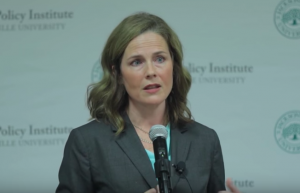
Meet The 5 Finalists For President Trump's Next Supreme Court Nomination
And check out the odds on each of them getting the nod. -
 Government
Reminder: DOJ And Other Honors Program Applications Are Due Soon
The size of the DOJ Honors Program is significantly smaller this time around, so the process should be especially competitive. -

-
Courts
Supreme Court Clerk Hiring Watch: A Closer Look At The Clerk Class Of October Term 2020
Here are some interesting trends worth noting in the world of SCOTUS clerk hiring. -
Courts, Supreme Court
Supreme Court Clerk Hiring Watch: A Term Like No Other
Feast your eyes on the complete roster of Supreme Court law clerks for October Term 2020.  Sponsored
Is The Future Of Law Distributed? Lessons From The Tech Adoption Curve
The rise of remote work has dramatically reshaped the relationship between Lawyers and Law Firms, see how Scale LLP has taken the steps to get…-
 Biglaw, Law Schools
The COVID-19 Crisis And The Perils It Poses
Make no mistake: we're not out of the woods yet. -
 In-House Counsel
How To Go In-House, And How To Excel Once You're There: An Interview With David Stiepleman
After graduating from Columbia Law and spending five years at Cleary, David worked as an in-house lawyer at Goldman Sachs and Fortress Investment Group, before becoming COO of a multibillion-dollar business. -
 Government
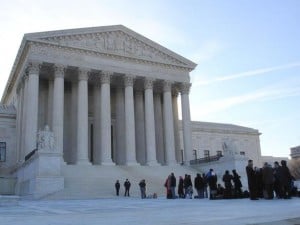
Congratulations To The 2020 Bristow Fellows
Plus the 10 most recent classes of Bristow Fellows, and the law schools and lower-court clerkships from whence they came. -
 Courts, Supreme Court
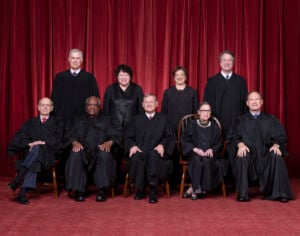
The Supreme Court's Successful New Approach To Oral Argument
Let's hope that SCOTUS sticks with these reforms post-pandemic. -
 Biglaw
4 Best Practices For Biglaw Firms That Are Weathering The Storm Well
What should successful firms be doing to reassure and support their employees during these tumultuous times?
Sponsored

Sponsored
Navigating Financial Success by Avoiding Common Pitfalls and Maximizing Firm Performance
In this CLE-eligible webinar, we’ll explore the most common accounting pitfalls and how to avoid them for your firm.

Sponsored
Early Adopters Of Legal AI Gaining Competitive Edge In Marketplace
How to best leverage generative AI as an early adopter with ethical use.

Sponsored
The Business Case For AI At Your Law Firm
The Business Case For AI At Your Law Firm

ChatGPT ushers in the age of generative AI – even for law firms.
Sponsored
Sponsored
Is The Future Of Law Distributed? Lessons From The Tech Adoption Curve
The rise of remote work has dramatically reshaped the relationship between Lawyers and Law Firms, see how Scale LLP has taken the steps to get…
Sponsored
Legal AI: 3 Steps Law Firms Should Take Now
If 2023 introduced legal professionals to generative AI, then 2024 will be when law firms start adapting to utilize it. Things are moving fast, so…
-
 Biglaw
What Good Might Come Out Of The Coronavirus Crisis?
Here are four ways that Biglaw might benefit from the current crisis. -
 Announcements, Health / Wellness
A Personal Note From David Lat
Thank you, Above the Law readers, for your support during a very difficult time for me. -
 Biglaw
What Will This Recession Mean For Biglaw?
Three predictions about how the economic downturn will affect major law firms. -
 Biglaw
Mammas, Don't Let Your Babies Grow Up To Be Litigators
There are vast disparities in terms of both market demand and exit opportunities for litigators versus transactional lawyers. -
 Biglaw
5 Issues On The Minds Of Managing Partners
"Uneasy lies the head that wears a crown" -- or manages a law firm in 2020. -
Courts
Supreme Court Clerk Hiring Watch: The Complete Clerk Roster For October Term 2019
Which law schools and lower-court judges produced the most SCOTUS clerks for this Term? -
 Deaths
Elizabeth Wurtzel, Literary Lioness And Lawyer, Dies At 52
The famed memoirist -- a Yale Law graduate, former Boies Schiller associate, and staple of ATL's pages -- belonged to the legal as well as literary community.
