Corporate law
-
 Biglaw, Job Searches
10 Things To Know About Executive Compensation
What is it like to practice in the area of executive-compensation law? -
 Rankings, Sponsored Content
Life Sciences Law Firm Index: Corporate Category Update
A look at the top firms in the Corporate category for the Life Sciences Law Firm Index.  Sponsored
Early Adopters Of Legal AI Gaining Competitive Edge In Marketplace
How to best leverage generative AI as an early adopter with ethical use.-
 Mergers and Acquisitions, Money, Wall Street
Finance And Law: A Missed Opportunity in M&A Deals?
For attorneys who work on mergers and acquisitions, regression forecasting is a great tool to use.
-
 Biglaw, Job Searches
10 Things To Know About Capital Markets And Corporate Governance Practice
Welcome to Better Know A Practice Area, a new monthly series introducing readers to different practice areas. -
 Boutique Law Firms, Canada
The View From Up North: Who Are Canada's Best Corporate And Litigation Boutiques?
Canadian Lawyer Magazine put out their rankings of different legal boutiques. Which firms made the cut? -
 Small Law Firms, Solo Practitioners
Why I’m Glad I Chose Corporate
At some point most of us had to answer the question, “Litigation or corporate?” Small-firm columnist Gary J. Ross explains why choosing corporate law was the right decision for him. -
 Non-Sequiturs
Non-Sequiturs: 04.25.16
* Kate Middleton’s famous wedding dress by Sarah Burton for Alexander McQueen is now the subject of a lawsuit, with designer Christine Kendall claiming it is a knockoff. [Fashionista]
* This lawyer, Helene Goodin, after 22 years in the legal profession, left it all to open her own bakery. [Huffington Post]
* The rest of the world discovers Delaware’s a haven for holding companies; lawyers everywhere shrug. [Gawker]
* When humanitarian aid actually caused more economic hardship for the very people we are supposed to be “helping.” [Lawyers, Guns and Money]
* Can Indian start-ups render the Biglaw firm structure unnecessary? [Law and More]
* Richard Hsu talks with Scott Adams, the creator of the Dilbert cartoon strip. [Hsu Untied]
* The Constitutional Accountability Center is holding an event this Thursday, April 28th at the National Press Club in D.C. on the Supreme Court’s docket this Term, previewing decisions yet to be handed down and discussing key themes from the Term. [Constitutional Accountability Center]
* Speaking of SCOTUS, if you’re interested in Supreme Court lit, check out this televised panel of authors, including Irin Carmon of Notorious RBG and ATL editor David Lat of Supreme Ambitions (affiliate links). [C-SPAN]
-
 Biglaw, White-Collar Crime
Transaction Gone Bad: A Deal Lawyer Gets Sentenced To Prison
This former Biglaw counsel is going to prison, although not for a huge amount of time (as prison sentences go).  Sponsored
The Business Case For AI At Your Law Firm
ChatGPT ushers in the age of generative AI – even for law firms.-
 Biglaw, Headhunters / Recruiters, Lateral Moves, Partner Issues
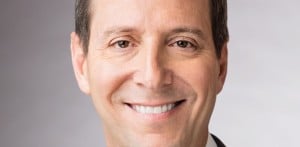
Anatomy Of A Deal: The Backstory Behind Scott Barshay's Move From Cravath To Paul Weiss
How much might the responsible recruiter have earned for making this placement? -
Biglaw, Lateral Moves, Partner Issues
A Deeper Dive Into Scott Barshay's Move From Cravath To Paul Weiss
How major a move is this, and how much might he make at his new firm? -
Morning Docket
Morning Docket: 02.29.16
* It looks like SCOTUSblog’s Tom Goldstein was onto something, because Judge Ketanji Brown Jackson is reportedly being vetted to fill Justice Antonin Scalia’s seat on the Supreme Court. The D.D.C. judge once clerked for Justice Stephen Breyer, and may wind up working alongside him on the high court as an associate justice (which could be a first). [National Law Journal]
* Justice Scalia’s death quickly affected some SCOTUS litigants: Dow Chemical settled an antitrust class-action suit for $835M because “[g]rowing political uncertainties … and increased likelihood for unfavorable outcomes for business involved in class-action suits have changed Dow’s risk assessment of the situation.” [Big Law Business / Bloomberg]
* Abortion returns to the SCOTUS this week, and litigants are wondering which version of Justice Kennedy they’ll receive when a decision is made. If Gonzales v. Carhart Kennedy makes an appearance, states across the South in the Fifth Circuit could kiss abortion goodbye. Here’s hoping for Planned Parenthood v. Casey Kennedy. [MSNBC]
* Student activists from Harvard Law and Brandeis University protested an awards ceremony where Dean Martha Minow was honored for “making a lasting contribution to racial, ethnic or religious relations.” The protestors felt the award’s timing was ironic considering the ongoing racial divisiveness at the law school. [Harvard Crimson]
* Career alternatives for disbarred attorneys who “knowingly misappropriated client funds”: chief compliance officer of one of the largest banks in the world by market capitalization? Ritu Singh is lucky compliance is so hot right now, because accusations of past financial crimes apparently aren’t dealbreakers in terms of hiring. [New York Post]
-
Biglaw, Canada
The View From Up North: Who Represented 2015's Biggest Capital Market Deals?
It’s time we look back at the previous year in the Canadian capital markets to determine who provided counsel on the juiciest Canadian debt and equity raises. -
Biglaw, Litigators, Small Law Firms, Technology
Transactional Work Is Going To Die
So what are small-firm lawyers who rely on transactional work to do?
Sponsored
The Business Case For AI At Your Law Firm


Is The Future Of Law Distributed? Lessons From The Tech Adoption Curve

Navigating Financial Success by Avoiding Common Pitfalls and Maximizing Firm Performance
Sponsored

Legal AI: 3 Steps Law Firms Should Take Now
Early Adopters Of Legal AI Gaining Competitive Edge In Marketplace
-
Bloomberg, Technology
Corporate Lawyers Get A New Toy
This new tool for transactional lawyers may be a game changer. -
Biglaw, Technology
Why Diligence Sucks, Why You Suck At It, And Why Robots Want Your Job
Could this make your life as a reviewing attorney easier and a little less miserable? -
Arnold & Porter, Bankruptcy, Biglaw, Billable Hours, Career Files, Intellectual Property, Labor / Employment, Law Students, Litigators, Rankings, Reader Polls
The Best Of Hours, The Worst Of Hours: ATL Survey Ratings
According to the ATL Insider Survey, which practice areas and law firms offer the best (and the worst) hours? -
Biglaw, Career Center, Career Files, Law Students
Which Biglaw Firms Have The Most-Satisfied Corporate Attorneys?
What are the pros and cons of transactional practice, and which firms boast the most-satisfied corporate attorneys? -
Ask the Experts, Biglaw, International Law
From Across the Desk: Corporate-Centric Firms
Bruce MacEwen of Adam Smith Esq. continues his taxonomy of law firms with the corporate-centric firms. -
Ask the Experts, Biglaw, Boutique Law Firms
From Across the Desk: Capital-Markets Centric Firms
Bruce MacEwen of Adam Smith Esq. continues his taxonomy of law firms with the capital-markets centric firms. -
Biglaw, Lateral Moves, Mergers and Acquisitions, Musical Chairs, Partner Issues, Partner Profits
Musical Chairs: A Promising Young Partner Parts Ways With Cravath
A promising young partner just left Cravath. Who is he, and where is he heading?
