 Starting your own practice is hard. Biglaw firms have the staff, infrastructure and expensive software that allows them to service big clients who are more likely to drive repeat business. But starting your own practice is also rewarding. When lawyers approach me about building their own start-up, I always ask them if they’ve considered starting their own practice. Going solo involves a lot less risk, decent upside and it scratches the entrepreneurial itch without having to build an app.
But, what if it technology made it easier to start your own practice? Currently, many of the companies in the legal tech space have built expensive software and/or hardware for Biglaw firms or corporate legal departments. That is not because the tech companies are evil, it is just good economics: go after customers who can pay you a LOT of money. Before there was a Volkswagen Bug for the everyman, there were Cadillacs and BMWs for people with cash to spend. But, until the proverbial Volkswagen Bug comes along, expensive technology can create a greater divide between “the haves” and the “have-nots.” If your brand new practice can’t afford Lexis Nexis, you are now at an even bigger disadvantage.
But, one of the trends that I’ve seen recently is start-ups who are making services once only affordable to big firms available for smaller customers. And the idea that small practices can begin to compete with the big boys excites me. Here are three companies that I think have the potential to make it easier for Biglaw attorneys to start their own practice.

Product Spotlight: Lexis® Verdict & Settlement Analyzer
Put away the guesswork—Lexis® Verdict & Settlement Analyzer helps legal professionals assess case potential with confidence by using data-driven insights from the industry’s largest collection of verdicts and settlements.
1. Casetext. For a while I’ve been hearing rave reviews about Casetext, but I finally got to meet the company in person a couple of weeks ago in Palo Alto. Whether you’re using Lexis, Westlaw or Bloomberg, legal research is expensive enough that you’ve been yelled at at by a partner for doing too much of it. Part of what makes legal research both expensive and valuable is the Shepardizing. Casetext aims to change that by creating an open source research platform where lawyers themselves are annotating the law.
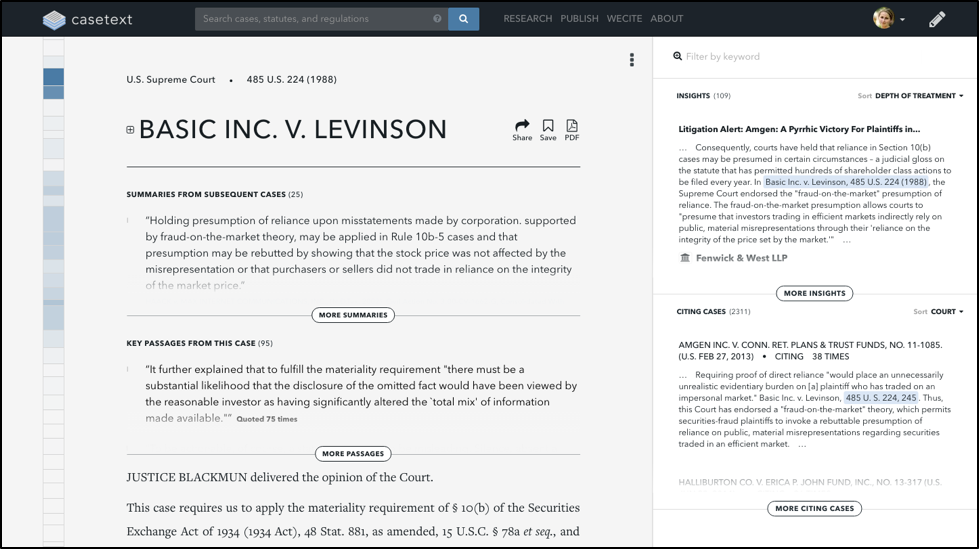
I’ll leave how Casetext has built this for another post, but the effect of making legal research open source is that it can be available at a fraction of the price of Westlaw or Lexis, despite it being a significantly better user experience than the legacy software. Casetext has an opportunity to be the go-to research solution for the other 80% of lawyers not in Biglaw.
2. Lawgeex. A Biglaw firm’s assets aren’t only its attorneys, its their repository of agreements. No one reviews contracts in a vacuum, you compare the agreements with whatever your firm has on file. So, the more precedents you have to work with, the better, and the less you have, the worse. Lawgeex is beginning to even the playing field.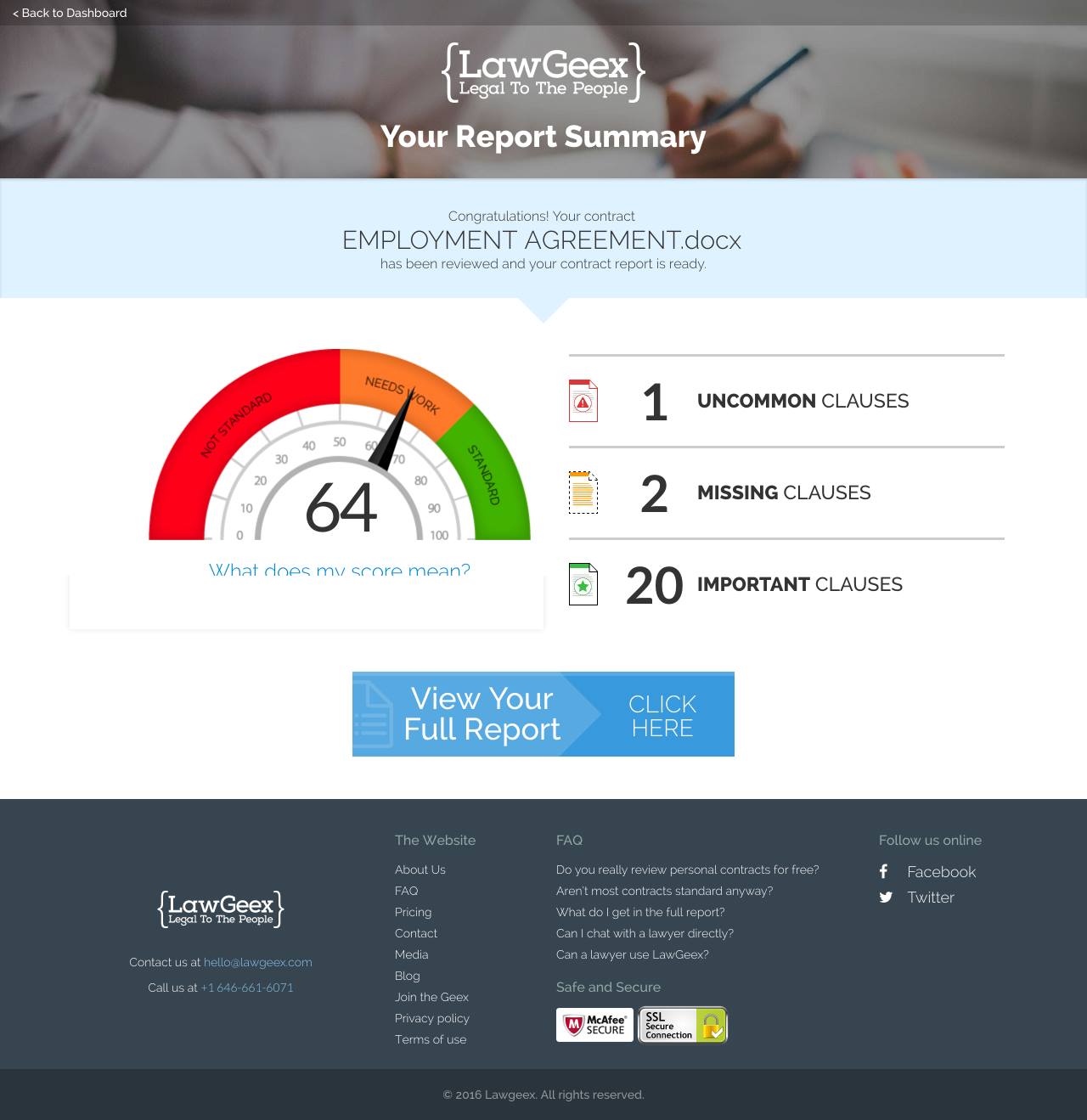
Lawgeex is early stage so the technology isn’t available for all document types yet. Using Lawgeex, solo lawyers without a ton of precedents can compare a contract they need to review with the thousands of agreements in the Lawgeex database. Also, when there is no supervising attorney checking your work, knowing that artificial intelligence supported your conclusions sure makes it easier for a solo to sleep at night.
3. Logikcull. Between email, Slack, Hipchat and social media, the amount of data and communication in existence is going to soon make it impossible for any lawyer to handle litigation without the use of ediscovery software. But, as anyone who works in a litigation department at a Biglaw firms knows, most of the ediscovery solutions on the market are very expensive. Part of the reason they are so pricey is that the bill includes storage, set-up and a whole bunch of other stuff I don’t understand. Since Logikcull is entirely cloud and browser based, you don’t pay for storage or set-up.

And, although several of Logikcull’s customers are Amlaw 100 firms like Vinson and Elkins, according to CEO Andy Wilson, 20% of Logikcull’s customer base are smaller firms. Want to know more about Logikcull? First, read Mary Redzic’s recent review, and then stay tuned for my conversation with Andy Wilson later this week on ATL.

What Even Is AI ‘Competence’? It Depends.
Takeaways from a Legalweek panel on evolving malpractice risks.
Oh, and if you’re furious that [Insert Tech Company Here] didn’t make this list, tweet to me or email me. I am only as smart as my readers make me, plus I want to put out more lists like this one in the hope that I somehow cause a mass exodus from Biglaw.
Zach Abramowitz is a former Biglaw associate and currently CEO and co-founder of ReplyAll. You can follow Zach on Twitter (@zachabramowitz) or reach him by email at [email protected].