 I want to write about the internment camps for kids, but I can’t, because that would just be long strings of profanity. Instead, let’s talk about what I previously thought was the worst thing the DOJ did to immigrants in this country.
One of the most horrifying things I discovered about the law in my brief time in federal criminal court last summer (and let’s just say I consider each page of the U.S. Sentencing Guidelines to be a separate horrifying thing) were two sections of the United States Code that I didn’t previously know existed: 8 U.S.C. § 1325 (illegal entry) and 8 U.S.C. § 1326 (illegal reentry) (both effective in their current form as of 1996 — thank you, Clinton years!).

Context Windows In Legal AI And Why Content Still Determines Quality
Legal teams ask a practical question. If large language models are so capable, why does legal AI still depend on curated content, and why does surfacing that content matter so much?
Illegal entry makes it a crime to enter the U.S. without inspection (at a border station or an airport), or by lying or committing fraud when you get inspected. It’s generally a misdemeanor with a maximum sentence of six months for the first offense, or a felony punishable by two years for the second. This is the “crime” for which people are being separated from their toddlers at the border in the new Sessions policy. The idea is to throw people in jail or prison, then deport them. Even before family separation came into the picture, it struck me as a completely cruel and insane policy meant to really twist the knife on desperate people risking their lives trekking across the desert or the sea to make it here.
Even more invidious is illegal reentry. Illegal reentry makes it a felony to get caught back in the U.S. after you’ve been deported. The basic illegal reentry sentence is a maximum of two years. However, if you were previously deported because you were convicted of certain kinds of crimes, the maximum can be up to 20 years. TWENTY YEARS in prison, for nothing more than being a person in this place (often with a family here) without the right kind of permission. Measuring a criminal sentence for immigration in any amount of years, let alone two decades, is not deterrence. It’s obviously not rehabilitation, since the plan is to deport them. It’s just cruelty.
While most people I try to rant about this to have never heard of illegal reentry, this isn’t a fringe crime in federal court. It’s charged more often in border states than in the rest of the country, but almost a third of all criminal cases in federal court include immigration crimes (they aren’t necessarily only immigration cases, but added on top of other charges).
The U.S. Sentencing Commission helpfully compiles and reports the breakdown in federal cases every year. If you are, say, a law student with a little time to spare, you can spend hours poring over them year by year, PDF by PDF, growing increasingly outraged while also wondering if they might spend some of that federal cash to hire a design guy.

How LexisNexis State Net Uses Gen AI To Tame Gov’t Data
Its new features transform how you can track and analyze the more than 200,000 bills, regulations, and other measures set to be introduced this year.
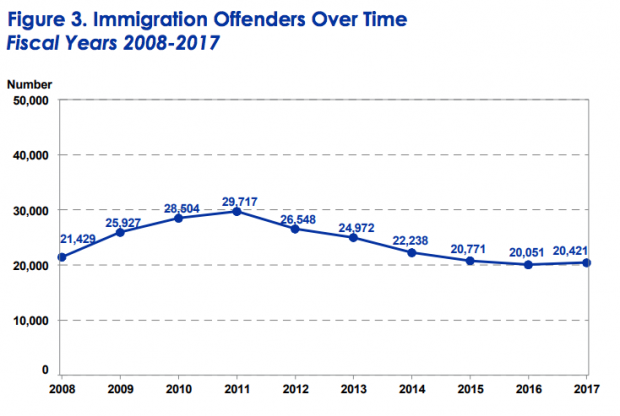
Over the last decade, U.S. attorneys across America have charged more people with immigration offenses than almost any other kind of crime the federal government is responsible for. In 2017, 30.5 percent of cases reported to the Sentencing Commission were related to immigration crimes. That’s more than 20,000 people with criminal immigration cases in federal court in 2017, just a few hundred less than were charged with drug crimes. About 15 percent of those immigration cases were related to human smuggling, where you might normally think federal prosecutors should be involved. But more than 80 percent — so more than 15,000 people — were charged with illegal reentry.
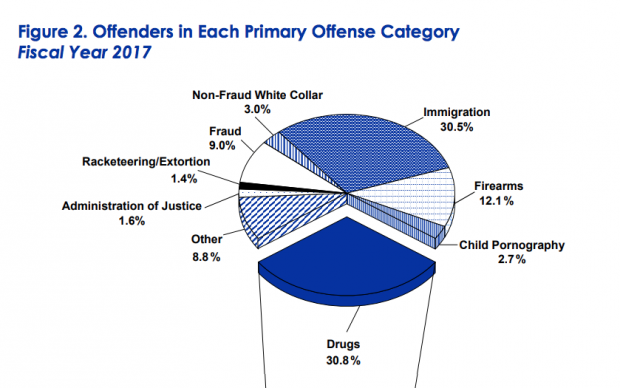
Also in the Sentencing Commission report: of those people with immigration cases in federal criminal court in 2017, 96 percent were Hispanic. More than 93 percent were male. Nearly 80 percent had less than a high school education. And all for what? To punish those most desperate to be here?
Shane Ferro is a law student and a former professional blogger. She is (obviously) a bleeding-heart public interest kid.