 Late last week, the excellent BarExamTracker Twitter account posted an ominous warning about shady tactics that some fierce defenders of the broken status quo might deploy against law school graduates seeking a diploma privilege option to avoid taking an in-person exam in the middle of a global pandemic.
Or, perhaps, it’s more fair to say “American” since most of the rest of the globe seems to be getting a handle on this crisis while the United States digs in and just embraces that things are going to get much worse.
https://twitter.com/BarExamTracker/status/1278520853005774848?s=20

The Lateral Market Runs On Recruiters. goLateral Wants To Cut Them Out.
goLateral is a quiet window into what's actually out there. Joining takes two minutes, costs nothing, pays you $100, and stays completely confidential.
When I first saw this, I appreciated the concern but refused to believe that anyone in a position of authority would really stoop to something like that. Advocating for diploma privilege is an exercise of free speech and a sign of genuine professional engagement, not a series of embezzlement convictions.
But it turns out, I’d been giving the powers-that-be far too much credit because they had already embarked down the road of intimidating critics with C&F threats.
A recent law school grad who I won’t name because of the threatening atmosphere posted a response sent to the entire graduating class from her law school:


Willkie Elevates Legal Work with Lexis+ with Protégé
Willkie AI and Innovation leader Todd Friedlich spoke to LexisNexis about firm’s thoughtful approach to legal AI
That… certainly sounds like a threat.
It also lends oxygen to the pernicious worldview that criticizing those in power amounts to “cyberbullying.” It’s as close to bullying as the toughest kid on the playground complaining that he cut his hand bashing your face. When someone signs up to a position of responsibility, they’ve signed up to face criticism and they don’t get to whine when someone questions their decisions.
Frankly, it’s shameful that anyone involved in the profession would even consider such a move and the law school’s proper response to the suggestion should not be to counsel quiet but to evoke its considerable clout to offer pro bono representation of any student who thought they were a victim of retaliation for voicing legitimate criticism.
But it’s 2020 and I’m getting used to feeling let down by the profession.
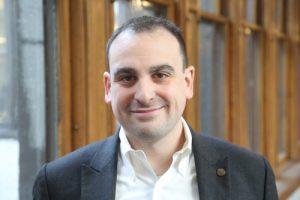 Joe Patrice is a senior editor at Above the Law and co-host of Thinking Like A Lawyer. Feel free to email any tips, questions, or comments. Follow him on Twitter if you’re interested in law, politics, and a healthy dose of college sports news. Joe also serves as a Managing Director at RPN Executive Search.