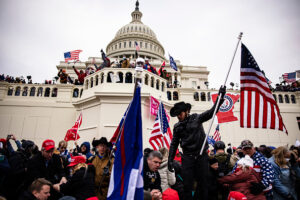
(Photo by Samuel Corum/Getty Images)
Last time we checked in on Albert Watkins, he was doing the right-wing talk show circuit with the St. Louis AR-15 couple. Afterwards, we checked out his website and found some unsettling commentary, including making light of a woman’s death. He seems like a guy prepared to speak his mind without a filter, which is a quality you look for in a lot of jobs, but maybe lawyering isn’t one of them.
Now representing the QAnon Shaman over his Capitol riot shenanigans, let’s see where the Watkins brand of uncensored advocacy is going.

Labor and Employment Federal Litigation Trends 2026
Drawing on more than a decade of data, the report equips law firms and corporate legal teams with actionable insights to better assess risk, refine strategy, and anticipate outcomes in today’s evolving workplace disputes.
I spoke to the "QAnon Shaman" Jacob Chansley's attorney, Albert Watkins, for this story. Here's what he had to say… https://t.co/6gZ2jzPvSh pic.twitter.com/b4w62dYvLN
— Matt Shuham (@mattshuham) May 18, 2021
He did accurately flag “perhaps disrespectfully,” so… that’s a plus.
But just like the “with all due respect” scene from Talladega Nights, flagging derogatory comments doesn’t mean you can say whatever you want. Tying brain damage, cognitive disorders, and autism together is wrong enough before throwing that whole ball as if it’s a synonym for being so rank stupid as to believe Trump’s waging a secret war against child sex trafficking in the government — which for some reason only comes up among his staunchest allies — and the whole truth about this covert operation just happens to be on publicly available message boards.

Context Windows In Legal AI And Why Content Still Determines Quality
Legal teams ask a practical question. If large language models are so capable, why does legal AI still depend on curated content, and why does surfacing that content matter so much?
There may well be strains of mental illness among riot defendants — it’s statistically likely given the size of the crowd and there are conditions that lend themselves to buying into conspiracy mythologies. But this quote is painting with a way bigger brush than that. And the paint is toxic.
Also, putting aside the ill-fitting terminology, is insulting a client generally a viable strategy now? Normally a diminished capacity defense would aim for the heartstrings and play up how sad it is that the client struggles with separating reality from fantasy. Not “Bozo here is so dumb he can’t tell his ass from a global conspiracy of deep state pedophiles.”
But maybe that’s the slim opening. In a case where America watched the defendant break the law on live television, maybe Watkins is assuming the country’s sympathy being worn out and banking on driving sentiment all the way to pathetic. “My client’s not Sauron, he’s Gollum,” to borrow from a story more believable than the QAnon boards.
If that’s the strategy, then it’s a risky one.
It’s definitely one that would stand a lot better chance of success if the lawyer wasn’t running around denigrating people with cognitive issues to the press while trying to save his client. Because a key part of this strategy would seem to be positioning the lawyer as the reasonable one and extended quotes like those aren’t helping.
And it’s such a low bar of reasonability to clear when the client is literally this guy.
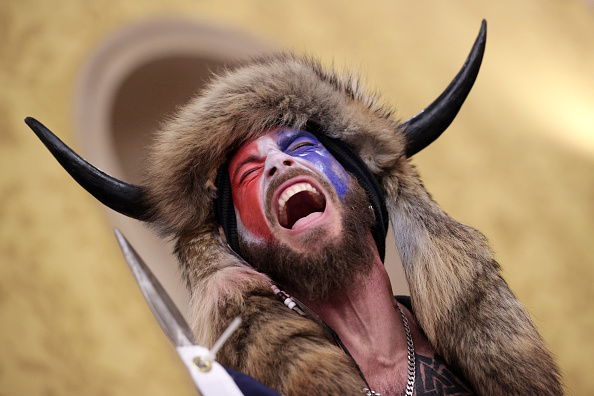
(Photo by Win McNamee/Getty Images)
 Joe Patrice is a senior editor at Above the Law and co-host of Thinking Like A Lawyer. Feel free to email any tips, questions, or comments. Follow him on Twitter if you’re interested in law, politics, and a healthy dose of college sports news. Joe also serves as a Managing Director at RPN Executive Search.