
Appetite For Destruction?
Of everything happening in the legal industry today, what will have enduring and sustained influence decades from now?
Of everything happening in the legal industry today, what will have enduring and sustained influence decades from now?

Innovative new technology could make courts obsolete in straightforward civil disputes.

The company is emphasizing ‘white glove service’ in the AI era. Here’s what the initiative is delivering for clients.

Will it pass quickly, or does it represent the beginning of a major change?

Could lawyers -- especially in-house lawyers -- benefit from an MBA made especially for them?

Meet Harvard Law grad Raj Goyle, a high-end lawyer turned legal entrepreneur who never bothered with Biglaw.

Do you need to conduct document review in a foreign language? This entrepreneur can help.

Grounded in authoritative content and verified at every step, Protégé is the only legal AI tool that delivers work you can trust—without exception.

Alternative legal service providers (ALSPs) are transforming the business and practice of law.

A new venture offers citizens, lawyers and non-lawyers alike, a way to participate in important courtroom battles.

If this “benefit corporation” model succeeds in legal, it could open up the world of pro bono to public investment.

Contract management is super hard.

A conversation with Trustpoint.One CEO Christopher Gallagher.

What does change really look like for some corporate legal departments, and why is change so hard?

By 2027, the legal industry will produce many billionaires -- but few, if any, will be practicing attorneys.

Change says easy and does hard; it visualizes in a flash but materializes at a crawl.
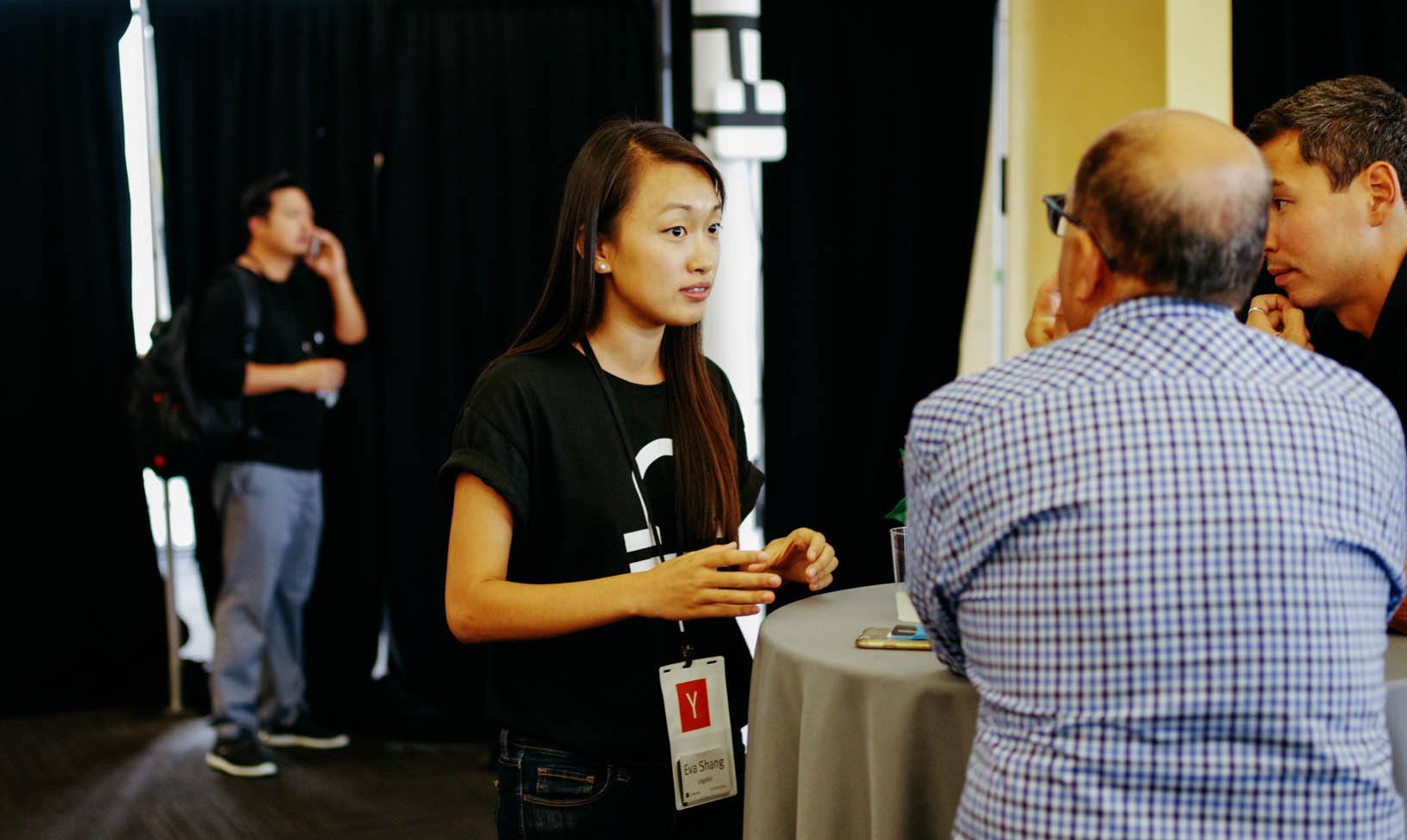
An innovative startup harnesses technology and big data to solve the access-to-justice problem.

What can alt.legal companies do to advance the public interest and bridge the justice gap?