More Than 70 Percent Of Law Firm Blogs Are Not ‘Mobile Ready’
Just as large law started to turn to blogging en masse, along comes another digital disruptor: mobile.
Just as large law started to turn to blogging en masse, along comes another digital disruptor: mobile.
In-house columnist Mark Herrmann nominates a word that should appear in the next edition of the Oxford English Dictionary.

With the addition of Uncover’s technology, the litigation software is delivering rapid innovation.
Some judges and justices have noted that today's connected world would be completely unrecognizable to the judges who made the decisions the government relies so heavily on
Where would you rather be charged with a crime, Canada or North Korea? The more we chisel away at the Canadian Charter of Rights and Freedoms, the less clear the answer becomes.
* Floridian women lawyers got their wish: Bad Judge, plagued by bad ratings, is getting canceled. [Daily Business Review] * A round-up of write-ups about today’s oral arguments in the Israel / Jerusalem passport case. [How Appealing] * Interesting reflections from Professor Glenn Reynolds on the controversial catcalling video. [USA Today via Instapundit] * Things are bats**t insane — literally — at this Utah courthouse. [Gawker] * The D.C. Circuit gives the EPA its way on cross-state air pollution. [Breaking Energy] * Election monitors from the Justice Department: possibly coming to a jurisdiction near you (including Bergen County, New Jersey, where I grew up). [BuzzFeed] * Can cops force suspects to use their fingerprints to unlock their cellphones? Eric Crusius and Lisa Giovinazzo debate, after the jump. [Fox News]
* “There’s too much at stake—too much money and interest.” Biglaw firms in West Africa are surviving, nay, thriving, despite the fact that the area is afflicted by the terrors of Ebola. [Am Law Daily] * “[T]ake a step back, to pause to consider, I hope, a change of course.” The head of the FBI is pissed about cell encryption, and he wants tech companies to cut it out with this privacy stuff. [WSJ Law Blog] * Buchanan Ingersoll & Rooney has a new chief financial officer. At Pittsburgh’s third-largest firm, the former litigation practice director could really make a name for himself. [Pittsburgh Business Times] * Former employees — even lawyers — of the recently failed Canadian firm Heenan Blaikie are filing suit, seeking hundreds of thousands of dollars in severance pay. Good luck with that, eh? [Globe and Mail] * According to NY AG Eric Schneiderman, 72% of Airbnb rental sites in New York City are operating illegally. This is going to be problematic for those who enjoy the services of faux hotels. [New York Times]
Law firms and legal departments are writing the future of the profession in separate rooms. What happens when they actually work together?
* Zombies responsible for tort. It’s like Walking Dead but with more motion practice. [PrawfsBlawg] * As much as you hate pocket dialing someone, you don’t hate it as much as these people who pocket dialed 911 while making a drug deal. [Legal Juice] * Ever wonder why AIG seemed to fare much worse under the bailout than the banks? Perhaps that’s because the government used the AIG bailout to play favorites and help out all their banking buddies. [Medium] * Here’s one out of left field: Oregon’s first lady had a secret marriage to an 18-year-old immigrant 11 years her junior. Was this a “green card marriage” (i.e., a felony)? My home state doesn’t have great luck with political figures and legal trouble. [Willamette Week] * Is law one of the most profitable industries for private companies? Of course it is. [Inc.] * Guess what? Spending decades decrying “for’ners” for stealing hard-earned American cash, people consistently believe we spend tons more on foreign aid than we really do. [The Volokh Conspiracy / Washington Post] * Legendary plaintiffs’ attorney Fred Levin talks about the ongoing effort to demonize plaintiffs lawyers. Video after the jump…. [Mimesis Law]
Which kind of a phone would you rather use as a lawyer?
How can mobile devices give lawyers the flexibility and 24/7 access they need to run their practices on the fly?
A former summer associate known for scandal redeems her reputation by stopping crime!
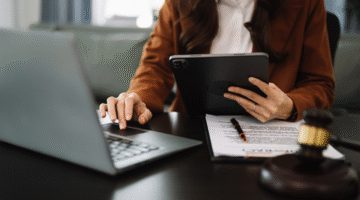
Explore the mindset, cultural shifts, and training strategies that define the AI‑savvy lawyer, revealing why human judgment, standardized competence, and integrated learning—not technology alone—will shape the future of the profession.
While the government makes the usual claims about third party data and warrant requirements being an undue burden, the appellant's reply takes those arguments apart.
Check out the over-the-top "Courtroom Best Practices" guide issued by a county judge.
How could wearable technology like smartwatches influence the practice of law?
* There’s a very good chance that if you go in-house, you could wind up making more money than even the wealthiest of Biglaw partners. But how much more? Take a look at the latest GC compensation survey. [Corporate Counsel] * GM has hired outside counsel to review the way the company handles its litigation practices. Since we’re not sure which, we’ll take bets on whether this “well-respected outside law firm” is Wachtell or Jenner & Block. [WSJ Law Blog] * A federal judge in California ruled that the state's death penalty was unconstitutional. A defendant living with the "slight possibility of death" violates the Eighth Amendment. Damn appeals! [New York Times] * “He hasn’t been charged with anything at the moment and we’ll deal with the charges when they’re filed.” Sgt. Bowe Bergdahl hired Yale Law lecturer Eugene R. Fidell, a military law expert (and husband of noted legal journalist Linda Greenhouse). [New Haven Register] * We all know that George Clooney’s fiancée, Amal Alamuddin, has both beauty and brains. What we didn’t know is that she poses for incredibly embarrassing pictures, just like the rest of us. [Us Weekly] * How do Americans feel about the Supreme Court’s recent cellphone privacy ruling, Riley v. California? [Digital Constitution / Microsoft]
The Supreme Court's latest privacy decision could have important implications beyond cellphone data.