
Your Daily Reminder That Arbitration Provisions Are Ridiculous
At what point does the effort to chain shut the courthouse doors go too far?
At what point does the effort to chain shut the courthouse doors go too far?

These allegations are stunning.

Explore the mindset, cultural shifts, and training strategies that define the AI‑savvy lawyer, revealing why human judgment, standardized competence, and integrated learning—not technology alone—will shape the future of the profession.
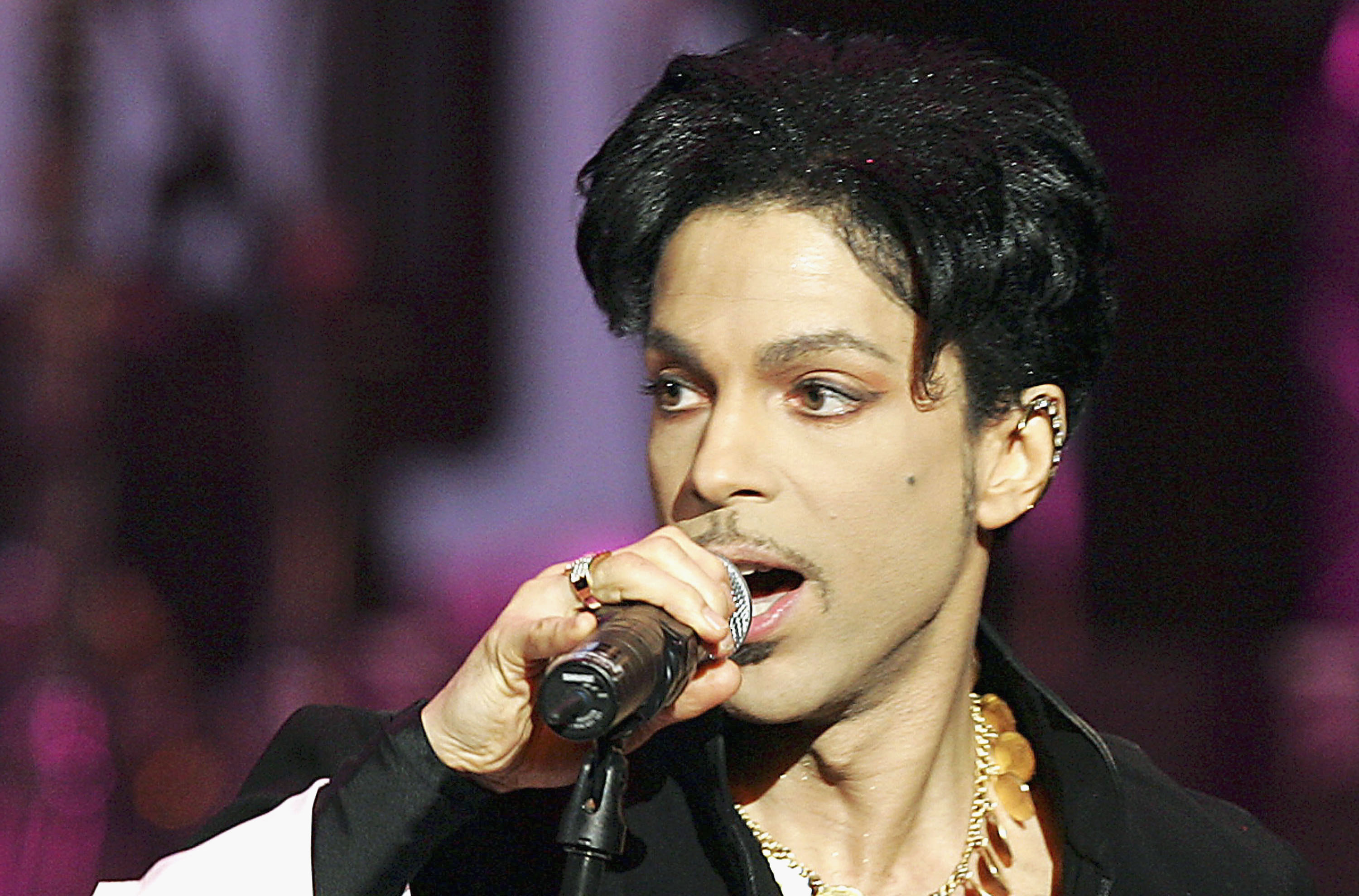
* Prince will forever be remembered as a pioneering musician who mastered multiple genres, including rock, soul, pop, and funk, but members of the legal profession will always remember him as a ferocious defender of his music's copyright protections. [WSJ Law Blog] * Per a recent study that's being referred to as the Glass Ceiling report, Wall Street Biglaw firms rarely promote women to partner. In fact, out of the 8,549 attorneys practicing at the 300 large law firms surveyed, only 3.9 percent are female partners. [Law360 (sub. req.) via ABA Journal] * Hunton & Williams recently launched a new practice group dedicated to dealing with legal issues related to 3D printing. The innovative team will work on legal questions involving everything from intellectual property and product liability to insurance and tax. The firm now joins Reed Smith in this unique practice area. [3DPrint.com] * Anna Alaburda's case against Thomas Jefferson Law over its allegedly deceptive employment statistics may have ended in defeat, but there's still one more law school lawsuit fighting its way through the courts. A case that was filed against Widener Law was appealed to the Third Circuit, and a decision is expected soon. [News Journal] * Thanks to a ruling issued by Judge John A. Ross of the Eastern District of Missouri, the 42 lead plaintiffs in the Ashley Madison privacy hack case will not be allowed to proceed anonymously. It may be embarrassing, but as class representatives, they've got special roles. They must identify themselves, or proceed as mere class members. [Reuters]

* Gauging the importance of Supreme Court decisions this Term based on media coverage. [Empirical SCOTUS] * Georgia is changing state law because UGA's football coach thinks it might help the team cover up a scandal and somehow the legislature thinks this makes sense. [SB Nation] * Did President Obama outthink himself on the Merrick Garland pick? [Guile Is Good] * Using expert witnesses to defeat class certification... an emerging tradition. [The Expert Institute] * Some graphics cross-referencing the laws around "burners" and global terrorism. [imgur] * Restraining order be damned! Montgomery Blair Sibley is releasing D.C. Madam contacts for our viewing pleasure. [WTOP] * What lawyer Scott Limmer learned from a yoga retreat. [Law Reboot]

* Sure, the price of oil may be low, but that hasn't stopped Biglaw shops from descending on Houston. In fact, 9 of the 10 highest grossing firms, according the 2014 Am Law 100, now have Houston offices. Beyoncé must be so proud. [Houston Lawyer] * Irony is so sweet in the morning. Diane L. Kroupa, a retired U.S. Tax Court judge, and her husband have been accused of tax fraud. [Law360] * That leak of documents from a Panamanian law firm, Mossack Fonseca -- being referred to as the "Panama Papers," has sparked international reaction. The Department of Justice is launching their own probe into potential wrongdoing. [Huffington Post] * Meet Edward Blum. He may not be a lawyer, but he is behind some of the biggest civil rights cases in front of the Supreme Court including Fisher v. University of Texas and Evenwel v. Abbott. [Mother Jones] * California class action lawyers rejoice: the state Supreme Court just paved the way for actions on behalf of retail and banking employees who are not giving suitable seating by their employers. [WSJ Law Blog]

* Sorry, Berners, but you'll have to start the revolution somewhere else: Students at Georgetown Law have been barred from campaigning for Bernie Sanders on campus because administrators say it would threaten the law school's tax-exempt status. [Hit & Run / Reason] * A group from Kasowitz Benson's lucrative insurance recovery practice, including its leader, Robin Cohen, is leaving for McKool Smith, but name partner Marc Kasowitz doesn't seem to mind one bit. He says it'll help the firm out in the long run. [Big Law Business / Bloomberg BNA] * Obama is expected to nominate Judge Lucy Koh of the Northern District of California, she of the Apple v. Samsung patent feud, to the Ninth Circuit. It's too bad the likelihood of her getting through the Senate right now is "close to zero." [San Jose Mercury News] * Hole singer Courtney Love's "Twibel" (Twitter plus libel) victory against her ex-lawyer in the first case to ever go to trial over a defamatory tweet was recently upheld by a California appellate court. Retweet and Like. [THR, ESQ. / Hollywood Reporter] * Mmm, cheese-product sticks! Fast-food conglomerate McDonald's is facing a class-action suit over its sometimes cheeseless mozzarella sticks, with allegations that they're not made with "100 percent real cheese" and "real mozzarella" as advertised. [Eater]

How a former insurance agent built a Houston injury practice around systems, empathy, and disciplined advocacy.
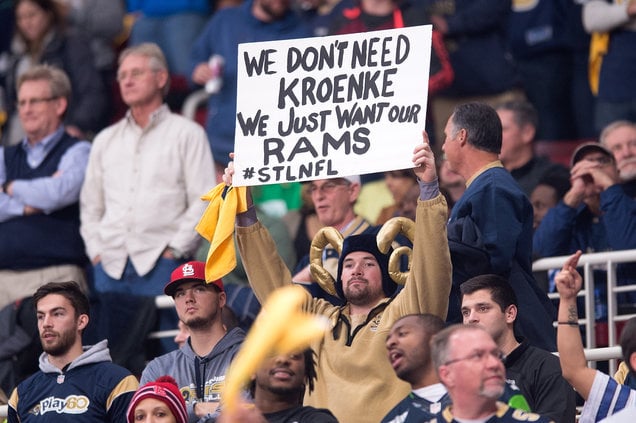
St. Louis Rams fans use a lawsuit to strike back at the NFL.
What ethical problems does the rapidly growing field of litigation funding present?
Who says you can't get away with carelessness in Biglaw?
* More bar exam results! Which school saw its passage rate take a 15 point hit? [Bar Exam Stats] * This is the right way to break up a protest at Planned Parenthood: with a smiling clit cartoon. [Slate] * How we can rethink the history of slavery and the Constitution. [Berkeley News] * Maybe Judge Stevens is onto something -- the Supreme Court to take on the issue of racial bias in jury selection. [Gawker] * Hillary wants to keep marijuana illegal -- is this her version of she "didn't inhale?" [Al-Jazeera] * Kickstarter class actions. What hell hath we wrought? [Associates Mind] * In this corner we have the Oregon Attorney General. In the other we have vitamin giant GNC. Who will win this battle royale? Not so fast -- it's a trick question since one side's dietary supplements were laced with illegal drugs. [Vox] * The latest in The Atlantic's series on the Reconstruction. [The Atlantic]

As federal borrowing caps tighten financing options for law students, one organization is stepping in to negotiate the terms they can't secure alone.
If any of the remaining law school lawsuits end up in appeal, the motions to dismiss should be denied and the cases be allowed to proceed.
Wherein I analogize class action attorneys to condoms.
* Melvin Feliz, husband of Keila Ravelo, the partner who allegedly bilked Hunton & Williams and Willkie Farr out of millions to lead a life of luxury, pleaded guilty in the fraud case brought against him. Is she a prospective Real Housewife of Cellblock D? [Bergen Record] * Sorry, Southwest passengers, but the Seventh Circuit says you're stuck with your free drink vouchers, and the lawyers who represented you in this class-action suit are stuck with their $1.65 million. No one is happy up in the unfriendly skies. [Associated Press] * China's economy may be on the brink, but that doesn't matter to Dentons. The firm is as happy as ever about its proposed merger with Dacheng because it really wants a horde of lawyers, so it's gonna get one. It's "almost absurd" to think otherwise. [Am Law Daily] * As we mentioned yesterday, lawyers work too damn much -- so much, in fact, that they're quitting their Biglaw jobs, starting competitor practices, and poaching talent from top firms by offering them a sense of work-life balance. [Harvard Business Review] * Kevin Fagan, perhaps better known as Juror 83 in the Dzhokhar Tsarnaev trial, is speaking to the media about his experience, and says he might've changed his death penalty vote if he had known the youngest victim's parents opposed it. [WSJ Law Blog]
* It looks like the other slutty shoe has officially dropped. Two law firms have filed a $578 million class-action lawsuit against adultery dating site Ashley Madison for breaching their clients' privacy rights. Impact Team must be thrilled. [TIME] * Gov. Chris Christie says that if he's elected president, he won't nominate anyone with a Harvard Law or Yale Law degree to SCOTUS. Non-Ivy law schools better start priming and primping their most successful grads on the off chance Christie gets the nod. [CBS News] * Case Western Law decided that two heads are better than one, because Jessica Berg and Michael Scharf were just permanently appointed to serve as co-deans. We can't think of any other law school with a dynamic duo of deans like this. [Crain's Cleveland Business] * In Biglaw, romantic wranglings can follow you beyond the grave: Thomas Hale Boggs Jr.'s estate is doing battle with a woman who claims she had a relationship with the former head of Patton Boggs -- and now she wants some of his property. [National Law Journal] * He may be "used to playing on a different court," but Michael Jordan really took it to the hole on this case. Defunct grocery store Dominick's Finer Foods must now pay the sports star $8.9 million for using his name in a steak ad without his permission. [NBC News]
Biglaw firm allegedly cost lenders big bucks.