Revolutionary Arrangement Will Allow Federal Law Clerk To Take Parental Leave During Clerkship
Far too many law clerks have been forced to choose between their careers and their families. That ends today.
Far too many law clerks have been forced to choose between their careers and their families. That ends today.

You're probably not going to be making $190K when you graduate.

Legal work isn’t slowing down, and the firms that win won’t be the ones working harder — they’ll be the ones working smarter.

Whether applying for a clerkship or any attorney position, at some point you will need others to speak on your behalf about your abilities.

* Guess which law school is on the verge of losing its accreditation? We'll have more on this unsurprising news later today. [Arizona Republic] * When it comes to Milbank's new $190K salary scale for associates, some general counsel and in-house leaders don't seem to really care, and others are none too thrilled about it, but absolutely NONE of them want to pay for it. [Corporate Counsel] * How much does President Donald Trump detest AG Jeff Sessions? This much! The president says he'll probably support legislation protecting marijuana activities in states where the drug has been legalized. [NBC News] * Pointing out numerous dueling injunctions in a Friday night filing, the Trump administration's Justice Department is paving the way for a SCOTUS showdown over DACA -- possibly as soon as sometime this summer. [BuzzFeed] * If you're planning to someday become a Supreme Court clerk, you better make sure that your law school is following the new law clerk hiring plan. Justice Sonia Sotomayor is now the fourth justice to offer her support, following in the footsteps of Justices Kagan, Ginsburg, and Breyer. [National Law Journal]
The reason to clerk is that you will learn more during that year than you will during the same period of time in any other sort of legal job.

Congratulations to all of these amazing young lawyers!

Explore the mindset, cultural shifts, and training strategies that define the AI‑savvy lawyer, revealing why human judgment, standardized competence, and integrated learning—not technology alone—will shape the future of the profession.

These law schools may help you get local jobs that are in high demand.

* No collusion! Michael Cohen's shell company -- the same one used to pay hush money to Stormy Daniels -- received more than $1 million in payments from a company that's been linked to a Russian oligarch with close ties to Vladimir Putin. The same oligarch was sanctioned by the Trump administration for election interference. Special counsel Robert Mueller is on it. [New York Times; CNN] * If President Trump does sit down for an interview with the special counsel, he could make history if he decides to plead the Fifth Amendment. No American president has ever used the Fifth Amendment to avoid self-incrimination while still in office. [TIME] * Is your law school following the new law clerk hiring plan? It better be, if your graduates want a chance to clerk with Justice Elena Kagan. The former law school dean says she'll "take into account" in her own clerkship hiring whether law schools and lower court judges have complied with the plan. [National Law Journal] * A former professor and an alumnus from Charlotte Law School have added the American Bar Association to their suit against the defunct for-profit school, claiming in an amended complaint that the ABA negligently certified the school and "failed to act as a reasonable accreditor" -- which makes sense. [Law360 (sub. req.)] * A 15-member panel comprised of Florida State University faculty, staff, students, and alumni want the name of their law school building to be changed. It's currently named after former Florida Chief Justice B.K. Roberts, who worked to keep the University of Florida's law school segregated. [News 4 JAX] * Sorry, Tommy and Kiko, but you're going to have to stay in your cages. The New York Court of Appeals refused to hear a habeus appeal on behalf of the chimpanzees, allowing a ruling that they are not legal persons and therefore have no legal rights to stand. At least the concurring opinion was a little less dour. [Reuters]

These law schools may help you get the most prestigious jobs.

Which firm is making it rain?

LexisNexis sat down with John Ursin, Managing Partner at Schenck Price, to learn how the firm is using legal AI to strengthen client service and daily legal work.
What's the latest proposal on the table, and will it actually work?
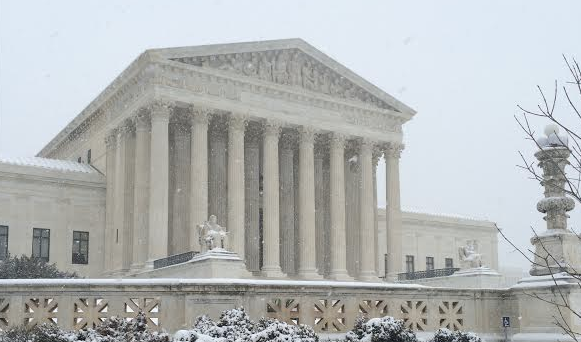
Plus rankings of the law schools and lower-court judges that send the most folks into these prestigious posts.
Clerkship bonuses have remained stagnant through the recession, but it's time for the market to move.

Ed. note: We will not be publishing on Monday, January 15, in observance of Martin Luther King Jr. Day. * Will Geoffrey Berman, acting U.S. Attorney for the Southern District of New York, recuse from Deutsche Bank matters? It sure sounds like he should.... [Bloomberg Politics] * Judge Shira A. Scheindlin and Joel Cohen offer advice to companies on how to handle sexual harassment allegations in a manner consistent with due process. [Guardian] * And Glenn Reynolds has this modest proposal, also related to the problem of sexual harassment (in the federal judiciary): abolish clerkships. [Wall Street Journal] * A quartet of tax law professors explain how a proposal to transform state and local tax payments into deductible charitable contributions to state and local government organizations could actually work. [Slate] * From Biglaw to big bucks: former associates Stephen Scanlan and Travis Leon sell their law-related startup, XRef, for a cool $10 million. [RollOnFriday] * Professor Eugene Volokh: "There's a fine line between being a 'badass' and...." [Volokh Conspiracy / Reason] * "Appeals court OKs F-Bombs for federal trademark protection." F**king finally. [Techdirt] * The Dewey & LeBoeuf criminal case ends with a whimper: former accounting manager Victoria Harrington just got sentenced to unconditional release (i.e., no prison time). [Law360]
And some justices have already hired all their 2019-2020 clerks as well.