Law School Deans

Morning Docket

Morning Docket: 10.11.16

* As we previously mentioned, London-based firms CMS and Olswang and international firm Nabarro were considering entering into a merger. Partners at all three firms have officially voted in favor of the merger, which will close in May 2017. The new firm will operate under the CMS name. We'll have more on this later. [Legal Week] * "The infringement has been affirmed, now it's whether this huge judgment should be affirmed." In the Supreme Court's first design patent case in more than 120 years, Samsung will face off against Apple today, where the smartphone companies will duke it out over how much Samsung should have had to pay for copying the iPhone. [Reuters] * "Justice [Ruth Bader] Ginsburg no longer needs to worry about whether she seems threatening to the Court. She is the Court." A new linguistics research study tells us what we can learn from Justice Ginsburg's accent as a lawyer versus her accent as a Supreme Court justice, and how all lawyers make accommodations in their speech. [TIME] * By edict of a federal court -- and over Governor Rick Scott's objections -- Florida's voter registration deadline has been extended to 5 p.m. Wednesday thanks to Hurricane Matthew's interference with last-minute sign-ups. Florida's Democratic Party alleged many voters would be "severely burdened" by the hurricane's effects. [CNN] * Sorry, social justice warriors: Harvard Law 1Ls wanted to feed the university's striking dining services workers at their sections' social committee events, but Dean Marcia Sells shut down their plans, saying it "does not seem to make sense for us to encourage ... students to bring in food to feed workers who are on strike." [The Concourse / Deadspin]


Morning Docket

Morning Docket: 09.26.16

* As you may have already seen, Republican presidential candidate Donald Trump released another list of his potential Supreme Court nominees ahead of tonight's debate. The list includes a Republican senator who has refused to endorse Trump (and has already turned down Trump's proposal), three non-white judges, and one female judge. [WSJ Washington Wire] * Speaking of the Supreme Court, the justices may be shorthanded and trying to avoid 4-4 deadlocks on controversial cases, but they'll soon decide whether they'll liven up this term's docket by agreeing to hear a major transgender rights case involving public school bathrooms. It could be one of the biggest case of the high court's 2016-17 term. [Reuters] * "[Twelve] students is not any kind of representation of our program." Indiana Tech Law's dean says the fact that only one of the school's graduates passed the bar isn't a realistic assessment of the quality of their education, and was unwilling to confirm the school's low pass rate since five graduates were appealing their results. [Indiana Lawyer] * The Department of Education will not suspend the American Bar Association from accrediting new law schools, despite a recommendation to do so from the National Advisory Committee on Institutional Quality and Integrity. We'd like to think that the ABA has learned its lesson, but perhaps that's a bit naive of us. [ABA Journal] * In anticipation of further fallout from its fake accounts scandal, Wells Fargo has hired Shearman & Sterling to advise the bank's board as to the legal ramifications of a possible clawback of pay from Chief Executive Officer John Stumpf, Chief Operating Officer Tim Sloan, and Carrie Tolstedt, the former head of community banking. [Bloomberg]

Morning Docket

Morning Docket: 09.16.16

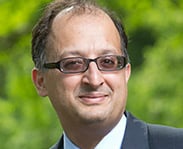
* Former Berkeley Law dean Sujit Choudhry is suing the school, claiming that Berkeley discriminated against him by punishing him more harshly for alleged sexual harassment compared to white professors. [Law.com] * The family of Sandra Bland settles its lawsuit over her death for $1.9 million. [New York Times] * The Sixth Circuit, sitting en banc (and rather splintered), rules that the mental-health ban on gun ownership could violate the Second Amendment. [How Appealing] * Congratulations to Miami corporate partner Ira Coleman, who will replace Peter John Sacripanti and Jeffrey E. Stone as chair of McDermott Will & Emery in January. [Big Law Business] * Ashurst remains in a tailspin, with five partners (including two office heads) leaving in the span of 24 hours. [Ashurst] * In other U.K. law firm news, Freshfields is replacing "Dear Sirs" with gender-neutral salutations in all communications and legal documents. [The Lawyer via Big Law Business] * More exciting news for Bancroft: recognition for its pro bono work, which partners pledge will continue after they move over to Kirkland. [Law360] * Paging parents who left Davis Polk to raise their kids: here's a program to bring you back into Biglaw. [Law.com via ABA Journal]

Morning Docket

Morning Docket: 09.13.16

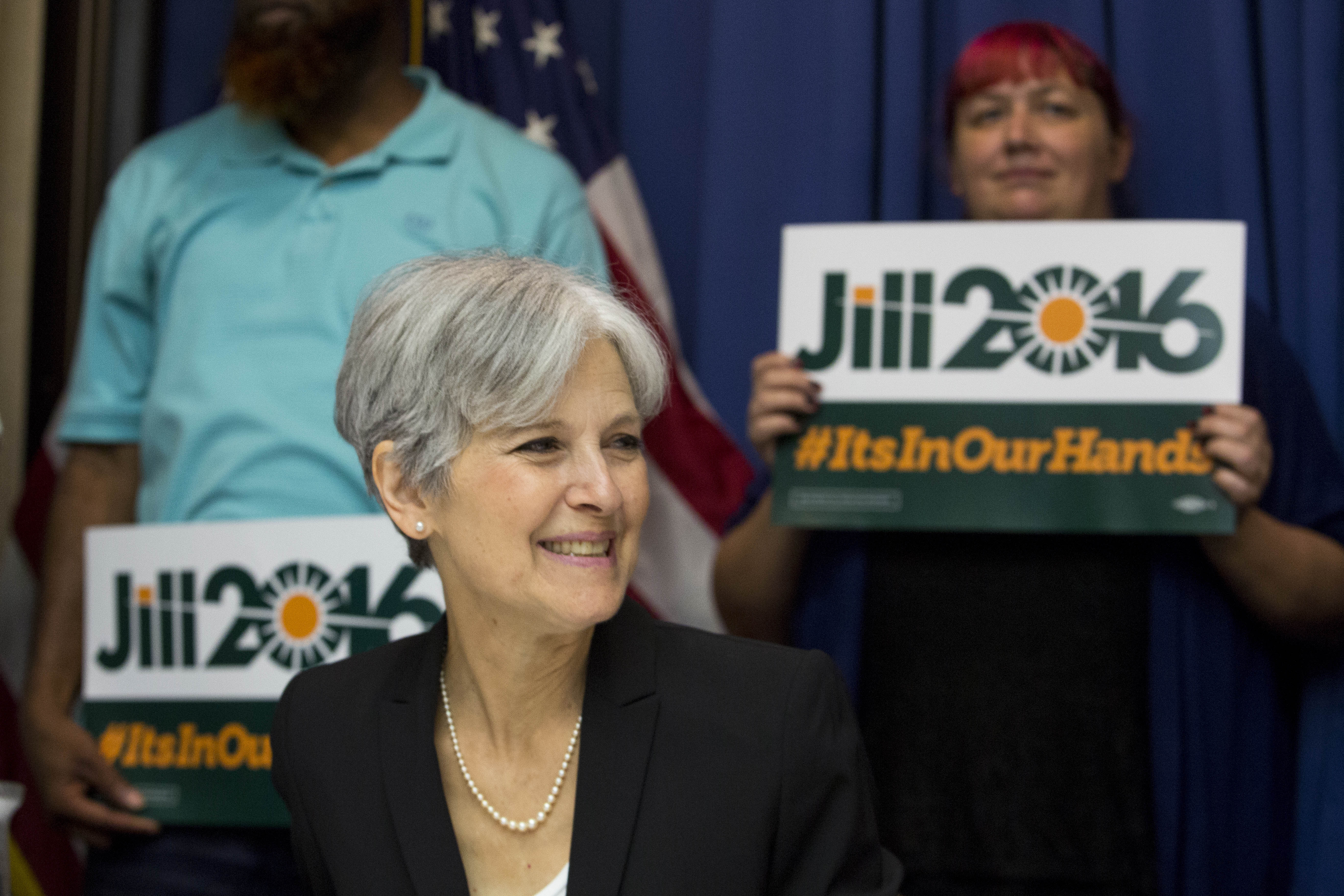
* Green Party presidential nominee Dr. Jill Stein will appear at Vermont Law School today, where she'll meet with members of the law school community to speak about her plan to transition the country using 100 percent renewable energy. Law students will be especially excited to hear about her plans to cancel all student loan debt. [VTDigger] * “Talk to your classmates, especially those with different views. Even if you come away from it disagreeing even more, at least you know what makes them tick, which is a useful thing.” Last week, Justice Elena Kagan went back to Harvard Law, the school where she once served as dean, to share helpful tips with law students. [Harvard Crimson] * Federal prosecutors may have dropped their corruption case against ex-Gov. Bob McDonnell after SCOTUS threw out his convictions, but now he's got some pretty hefty legal bills to pay to Jones Day and Holland & Knight. Right now, he owes more than $10M to the partners who helped clear his name. [Richmond Times-Dispatch] * A lot of big-time lateral moves were announced yesterday, including Kirkland & Ellis's mass hiring of all Bancroft lawyers, but Gibson Dunn's news may top all the rest we've yet to cover. Stuart Delery, the former acting associate attorney general of the Justice Department, will join the firm as a partner in Washington, D.C. [Big Law Business] * Ex-Canadian prime minister Stephen Harper has found a new home -- or rather, a "strategic affiliation" -- with a global Biglaw firm. He'll be working out of the Calgary office of Dentons, where he'll work with many former colleagues and advise firm clients on market access, managing global geopolitical, and economic risk. [Huffington Post]

Morning Docket

Morning Docket: 09.09.16

* "In the past, law school was often times seen as a safe haven in a bad market, and that’s just not the case given the jobs that are available.” Applications may be down, but given the state of the job market, more and more students are flocking to law schools without any desire to practice law, intending to pursue alternative career paths instead. [Wisconsin Bar] * Former Berkeley Law Dean Sujit Choudhry returned to campus this semester after resigning from his post thanks to a sexual harassment lawsuit, but a letter he penned on the subject that was published in the school paper didn't have the results he expected; instead, about 100 law students protested the professor's presence on campus. [SFGate] * The House of Representatives is scheduled to vote on the Investment Advisers Modernization Act of 2016 today, a bill that private equity firms hope will chip away at Dodd-Frank's requirements on what information the industry must report to regulators. The White House has threatened a veto if it's passed. [DealBook / New York Times] * Can this group of general counsels from Fortune 100 companies save the legal profession from becoming a haven for old white men and turn it into a melting pot of opportunity across all demographics? That's what they're hoping to do by hiring and firing outside counsel based on their diversity. Best of luck! [Big Law Business] * Subway's "footlong" class-action suit is now before the Seventh Circuit, with Ted Frank of the Competitive Enterprise Institute arguing that the lawyers who settled the sandwich-size discrepancy gave themselves too much credit, calling them, along with the class representatives, "the only beneficiaries of the case." Ouch. [WSJ Law Blog]