
Electoral Law School Update: Trump Is Running… Third
It's not surprising that lawyers are with Her, but the margin is kind of amazing.
It's not surprising that lawyers are with Her, but the margin is kind of amazing.
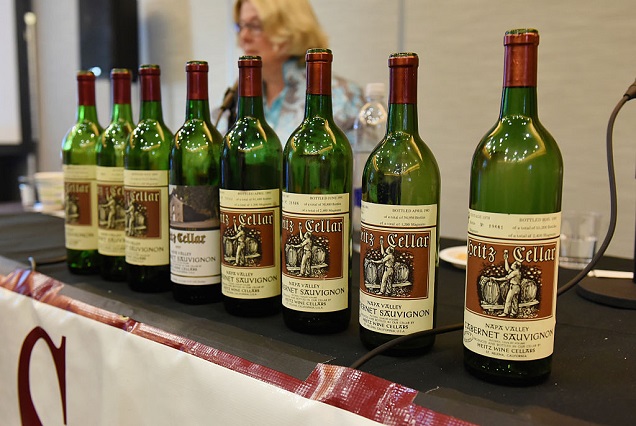
Look, if you are actually concerned about student drinking, and over-drinking, then you should want to keep your people on campus.

Leveraging agentic AI to triage, prioritize, and automate the law department inbox.

* "Our goal will be to be as transparent as possible about our results, while complying with our various legal obligations." The Justice Department may have chosen not to bring charges against presumptive Democratic presidential nominee Hillary Clinton, but that didn't stop the State Department from reopening its investigation into her email scandal just one day later. [Associated Press] * Has the Roberts Court turned liberal? Not really, says Linda Greenhouse. Considering that "today's conservative justices are a good deal more conservative than the liberal justices are liberal," the results of the high court's last two blockbuster cases were really about righting wrongs that flew in the face of existing laws. [New York Times] * This month, Risa Goluboff, the first woman to ever serve at the helm of UVA Law, began her stint as dean, and a great number of the burning questions that she was asked in this interview relate to work/life balance. Perhaps the next time another man is named dean at a law school, he'll have to answer similar questions. [Big Law Business] * A judge has ruled that Bill Cosby's sexual assault trial may proceed over the objections of his lawyers, who were apparently upset they weren't able to cross-examine Andrea Constand, the comedian's accuser, during a preliminary hearing earlier this year. "It's our position we're not going to re-traumatize victims," said a prosecutor. [NBC News] * Arthur Olick, bankruptcy pioneer and Anderson Kill partner, RIP. [WSJ Law Blog]

Congratulations to our most deserving winner!

These videos didn't make the finals, but they're still excellent and worth checking out.

Who will win this year's Law Revue Video Contest? It’s up to you. Start voting now!
As federal borrowing caps tighten financing options for law students, one organization is stepping in to negotiate the terms they can't secure alone.

If you love UVA Law "culture," and you get into UVA Law, do you really have a choice?

Someone has burgled the statue of a famous alum!
* Will it ever be easier to meet the challenge of proving you've got an undue hardship so you can discharge your law school student loan debts in bankruptcy? Your fate may rest in the hands of this indebted Florida Coastal Law grad and his petition for certiorari at the Supreme Court. [US Law Week Blog / Bloomberg] * Hate crimes still happen, even at this prestigious law school: Amid increased racial turbulence on campus, the Harvard University Police Department is now investigating the defacing of black law professors' portraits as a hate crime. [ABC News] * UVA Law recently joined the minority of law schools that have women serving as dean. Pop your collars with pride, because legal historian Risa Goluboff will take over as the school's first female dean this July. Congratulations! [Richmond Times-Dispatch] * Gordon Rees has settled its lawsuit against Alex Rodriguez over the baseball player's outstanding legal bills, totaling more than $380,000. The terms of the deal haven't been disclosed, but we have a feeling that the firm hit it out of the park. [NBC New York] * Try before you buy or a bid to increase tourism? Alaska is making bold moves now that it's legalized marijuana for recreational use. It'll be the first state to allow the social use of the drug "in public," i.e., inside pot dispensaries that have yet to open. [Cannabist]
Which law school experienced a hack that could've put students' careers in jeopardy?

Explore the mindset, cultural shifts, and training strategies that define the AI‑savvy lawyer, revealing why human judgment, standardized competence, and integrated learning—not technology alone—will shape the future of the profession.
* McDermott Will & Emery poached six partners from K&L Gates as part of its Dallas office "re-launch." Their poor paralegals: Right now, the lawyers are working in temporary offices, and don't have access to land lines. [WSJ Law Blog] * Dean Paul Mahoney of UVA Law announced he'll be stepping down from his position on June 30, 2016, after eight years of dedicated service to the school. Law students, please lower your collars to a half-pop in light of this news. [UVA Today] * Dewey think these defendants are full of themselves? The former leaders of this failed firm had insane and enviable compensation packages, but that doesn't mean their multimillion-dollar guarantees weren't justified -- or even deserved. [Am Law Daily] * Experts speculate that the Justice Department's case against FIFA could strengthen its global power, but of course, that will hinge on whether Loretta Lynch can get RICO charges to stick for conduct that took place overseas. [DealBook / New York Times] * After months of going back and forth on their urge to merge, Hiscock & Barclay completed its combination with Damon Morey. The new 275-lawyer firm will be known as Barclay Damon, and could possibly become a member of the Am Law 200. [Syracuse.com] * Legal marijuana business need lawyers and bankers, but those willing to advise them are few and far between. If you want to join the green rush and learn how to help these people comply with the law, come to our marijuana law reception later this month. [Forbes]
They may not have made the Finals, but these Law Revue videos were a cut above.
It's not news, it's the ice bucket challenge.
* Pennsylvania’s Governor Tom Corbett, who really wants to win his reelection vote in November, won’t appeal the decision striking down the state’s ban on gay marriage, making him the third governor to concede after a major loss in court. [Bloomberg] * Sen. Ted Kennedy finally received his diploma from UVA Law, albeit posthumously. The school’s registrar kept it for more than half a century — they didn’t have his address. Lucky guy never received donation letters, either. [National Law Journal] * An associate is suing her former boss for six figures after he allegedly sent her erotic emails about his fantasy workplace affair. Her fantasy of loan repayment may come true if she wins this case. [Oregonian] * Apple’s general counsel Bruce Sewell gave some pretty great advice to recent graduates at GW Law: “Be someone [your boss] can talk to, rather than someone she can give orders to.” [Corporate Counsel] * The New Mexico Law Review is dedicating an upcoming issue to articles related to Breaking Bad, which officially makes it one of the only law reviews whose pages will be read by human beings. [WSJ Law Blog]
* Donald Sterling may be banned from the NBA, but the recording that placed him on the outside looking in was captured illegally per California law. [The Legal Blitz] * If the NBA owners agree — as expected — to force Sterling to sell the Clippers, it could cost his heirs over $100 million. Let’s feel sorry that megamillionaires might be slightly less megamillionaires. [Slate] * The inimitable Charles P. Pierce with more on the horrifically botched execution in Oklahoma last night. Overlooked in the horror was the constitutional crisis that preceded it — where the very authority of the state supreme court was called into question. [Esquire] * After getting his client acquitted of molesting a child while drunk, a lawyer managed to get arrested for DWI, hours after the verdict. Amazing. [St. Louis Post-Dispatch] * The conservative argument for copyright reform. Seriously, at this point there’s no political philosophy in favor of lengthy copyright terms, so why can’t we change this? Oh, right. Media companies have tons and tons of money. [R Street] * UVA Law funds the first jobs of a bunch of its grads. David Lat weighs in. [C-Ville] * This story could just as easily be entitled “I’m a young Biglaw associate who lives in Williamsburg.” [McSweeneys]