 It’s probably all but inevitable that National Weed Day (or whatever) will undergo a Christmas-style seasonal creep, and soon we’ll find ourselves small-talking strangers about how “4/20 season seems to come earlier every year, huh?” There’s definitely something in the air: a significant majority of Americans favor legalization. This month, as Pennsylvania became the 24th state to legalize medical marijuana, every major presidential candidate has signaled that they will leave states to their own devices, at least regarding medical use. It is an exploding investment sector, with cannabis startups raising over $213 million in 2015 as deals hit a new high (sorry!) in Q4’15. On the branding front, by 2015, more than 1 in 500 new U.S. logos featured a pot leaf:
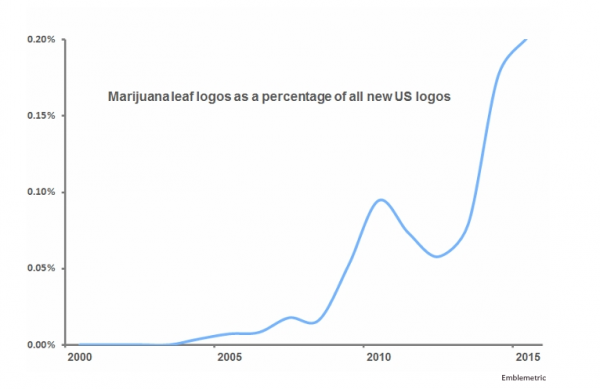
[Source: Slate]

AI Is Reshaping Legal Practice—But Tools Aren’t The Real Differentiator.
Explore the mindset, cultural shifts, and training strategies that define the AI‑savvy lawyer, revealing why human judgment, standardized competence, and integrated learning—not technology alone—will shape the future of the profession.
And yet, on Monday, the U.S. Supreme Court — the highest court of the same damn country in which all these developments are taking place — refused to hear the appeal of Lee Carroll Brooker, a 75-year-old disabled veteran currently serving a mandatory life without parole sentence in Alabama for the “crime” of growing about 3 dozen marijuana plants. Brooker claims — and the prosecution does not dispute — that the plants were for his own medicinal use only. Way to shackle a national buzz, SCOTUS.