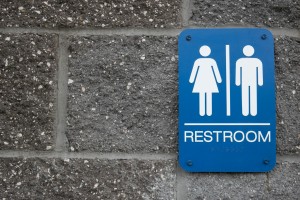
 * North Carolina lawmakers say they’ve reached a deal to repeal the state’s controversial bathroom bill. I wonder how those negotiations went: “Hey, this law is awful and is costing our state billions. Let’s get rid of it.” “Okay.” I mean that’s probably not how it went, but it’s how it should have gone. [Reuters]
* Five University of California law schools are sharing the wealth after an improper foreclosure verdict results in a big punitive damages award. The judge directed a portion of that money to go to the law schools — $4 million each — earmarked for consumer law education and direct legal services. [Law.com]
* Hawaii successfully converted the TRO on the Trump administration’s Muslim Ban 2.0 into a preliminary injunction. [Hogan Lovells]
AI Is Reshaping Legal Practice—But Tools Aren’t The Real Differentiator.
Explore the mindset, cultural shifts, and training strategies that define the AI‑savvy lawyer, revealing why human judgment, standardized competence, and integrated learning—not technology alone—will shape the future of the profession.
* Seattle is the first city to sue over the Trump administration’s threats against sanctuary cities. [LA Times]
* Bridgegate results in prison sentences. Bridget Kelly was sentenced to 18 months, and Bill Baroni got 2 years. [New York Times]
* Doublespeak — the environment edition. [Politico]
* Is Sean Spicer is lying about whether the White House really wants former acting Attorney General Sally Yates to testify to Congress? [The Hill]
From ‘Vendor’ To ‘Partner’: How LexisNexis Is Deepening Law Firm Relationships
The company is emphasizing ‘white glove service’ in the AI era. Here’s what the initiative is delivering for clients.
* Judge Andrew Napolitano is back at Fox News, and back to conspiracy theories. [CNN]