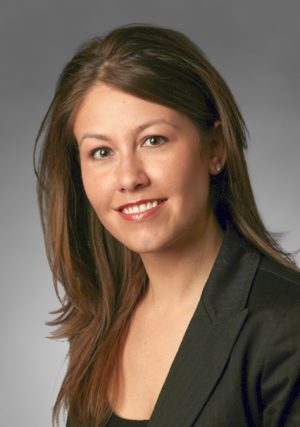
Melissa Laurenza
Usually lawyers can be confident that their communications with their clients and any work they do on their behalf will remain shielded from public consumption through the attorney-client and work-product privileges. We do not live in usual times.
When former Trump campaign adviser Paul Manafort was indicted on Monday, one of the documents unsealed was a decision by U.S. District Chief Judge Beryl Howell of the District of Columbia (the judge overseeing the grand jury empaneled by special counsel Robert Mueller) compelling one of his former lawyers to testify before the grand jury. Though that order redacted the name of the lawyer, the National Law Journal is reporting the attorney in question is Melissa Laurenza, partner at Akin Gump Strauss Hauer & Feld whose practice focuses on campaign law and lobbying registration.
Schenck Price Works Smarter with Lexis+ AI and Protégé
LexisNexis sat down with John Ursin, Managing Partner at Schenck Price, to learn how the firm is using legal AI to strengthen client service and daily legal work.
Judge Howell found a “crime fraud” exception to the attorney-client and work-product privileges, writing:
When a person uses the attorney-client relationship to further a criminal scheme, the law is well established that a claim of attorney-client or work-product privilege must yield to the grand jury’s investigatory needs.
Laurenza initially refused to testify, due to her ethical obligations to keep silent about communications with her client. However, in the decision Howell notes Laurenza’s lawyer says she will comply with the subpoena as long as that’s “within the bounds of her ethical obligations to her former clients.”
Mueller’s team sought testimony from Laurenza to determine if the information submitted by Manafort and his business associate Rick Gates to the Department of Justice under the Foreign Agents Registration Act was intentionally misleading. As such, Laurenza’s testimony before the grand jury was limited:

Filevine’s New Legal AI Platform LOIS Turns AI Into A True Legal Coworker
Legal work isn’t slowing down, and the firms that win won’t be the ones working harder — they’ll be the ones working smarter.
Mueller’s prosecutors, according to Howell’s ruling, would ask “narrow questions to confirm the source of the facts she submitted to the government, including whether her clients gave her the information represented in the letter as coming from them and/or reviewed a draft of the letter for accuracy.” According to the ruling, Mueller’s team stressed that it was not seeking “witness interview notes or to probe which witnesses she believed” but rather “just seeking to confirm that the source of the factual representations is what it purports to be: the clients’ recollections.”
Manafort and Gates have pleaded not guilty to the 12 counts against them which include: conspiracy against the United States, conspiracy to launder money, unregistered agent of a foreign principal, false and misleading FARA statements, false statements, and seven counts of failure to file reports of foreign bank and financial accounts.
 Kathryn Rubino is an editor at Above the Law. AtL tipsters are the best, so please connect with her. Feel free to email her with any tips, questions, or comments and follow her on Twitter (@Kathryn1).