 Gibson Dunn is pushing back after an unsealed sanctions motion and some very skeptical judge comments earned the firm some unfortunate notoriety. Plaintiffs accused the firm of holding up discovery with one hand, while arguing that further discovery was “too late” with the other.
The Biglaw firm representing “the artist formerly known as Facebook” in the Cambridge Analytica case says the motion presents a false account and that the team is “mortified” by the judge’s comments, suggesting at hearings that the plaintiffs may have a point when it comes to their discovery complaints.
From the firm’s perspective, “Discovery in this case has not been easy, and has involved numerous disputes between the parties on important and often technically complex issues that have taken time to work through.”

Beyond Recall And Precision: Strategic Oversight Of AI Managed Review
AI can accelerate document review, but metrics alone aren't enough. Learn how Managing Attorney oversight turns AI-driven review into a more adaptive, strategic and defensible process.
The judge said that Gibson Dunn’s opposition faces a “little bit of an uphill battle” based on what he’s seen so far, so this opposition filing better be epic.
In our original post, we noted that there are perfectly reasonable explanations for some of the alleged missteps. But Judge Chhabria seems inclined to take a dim view of so many issues compounding upon themselves.
Earlier: Gibson Dunn On Wrong End Of $854K Sanctions Motion
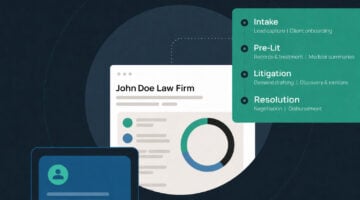
PI Firms Don’t Need More Tools. They Need Fewer.
Every new tool a PI firm buys solves one problem and connects nothing. The real fix isn't another purchase — it's keeping the whole case in one place, from accident to resolution. Here's how.
 Joe Patrice is a senior editor at Above the Law and co-host of Thinking Like A Lawyer. Feel free to email any tips, questions, or comments. Follow him on Twitter if you’re interested in law, politics, and a healthy dose of college sports news. Joe also serves as a Managing Director at RPN Executive Search.