Inaction On Judge Eleanor Ross Sends A Clear Message: Retaliating Against Whistleblowers Is OK
Ross is clearly no longer exhibiting good behavior.

Aliza Shatzman is the President and Founder of The Legal Accountability Project, a nonprofit aimed at ensuring that law clerks have positive clerkship experiences, while extending support and resources to those who do not. She regularly writes and speaks about judicial accountability, clerkships, and diversity in the courts. Reach out to her via email at [email protected] and follow her on Twitter @AlizaShatzman.
Ross is clearly no longer exhibiting good behavior.
We cannot just wait for the next judge to make news. We need to take action now.
AI can accelerate document review, but metrics alone aren't enough. Learn how Managing Attorney oversight turns AI-driven review into a more adaptive, strategic and defensible process.
There’s no better reason to run for office than to correct an injustice you personally experienced.

Working for a judge who treats clerks with respect could be the difference between a successful career in law and none at all.
It’s easy to lose sight of the cultural change LAP has created.
Most misconduct isn’t formally reported.
A conversation with Trustpoint.One CEO Christopher Gallagher.
Clerks alleged Griggsby created an abusive work environment and bullied them, causing mental anguish and health issues they attributed to their clerkships.
The judiciary has a harassment problem that no one cares to solve.

Words have consequences, and violent words lead to violent acts.

The Legal Accountability Project's data indicate that around 1 in 17 federal judges are abusive, which aligns with the federal judiciary’s own data.

The company is emphasizing ‘white glove service’ in the AI era. Here’s what the initiative is delivering for clients.

What do you call it when law schools withhold negative information about judges from students and try to prevent them from accessing candid clerkship information beyond the school’s approved resources? Lying.
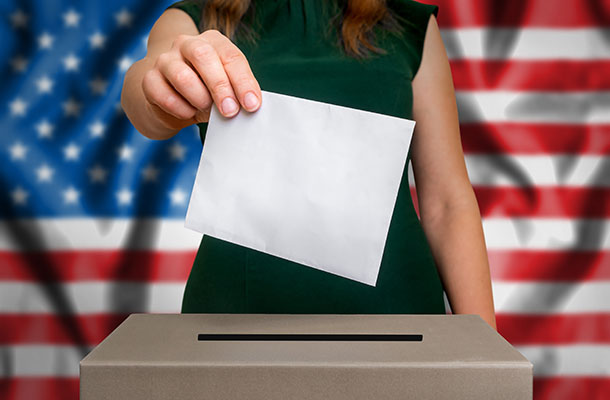
The Pennsylvania Supreme Court, like other state courts, is the backstop for democracy.
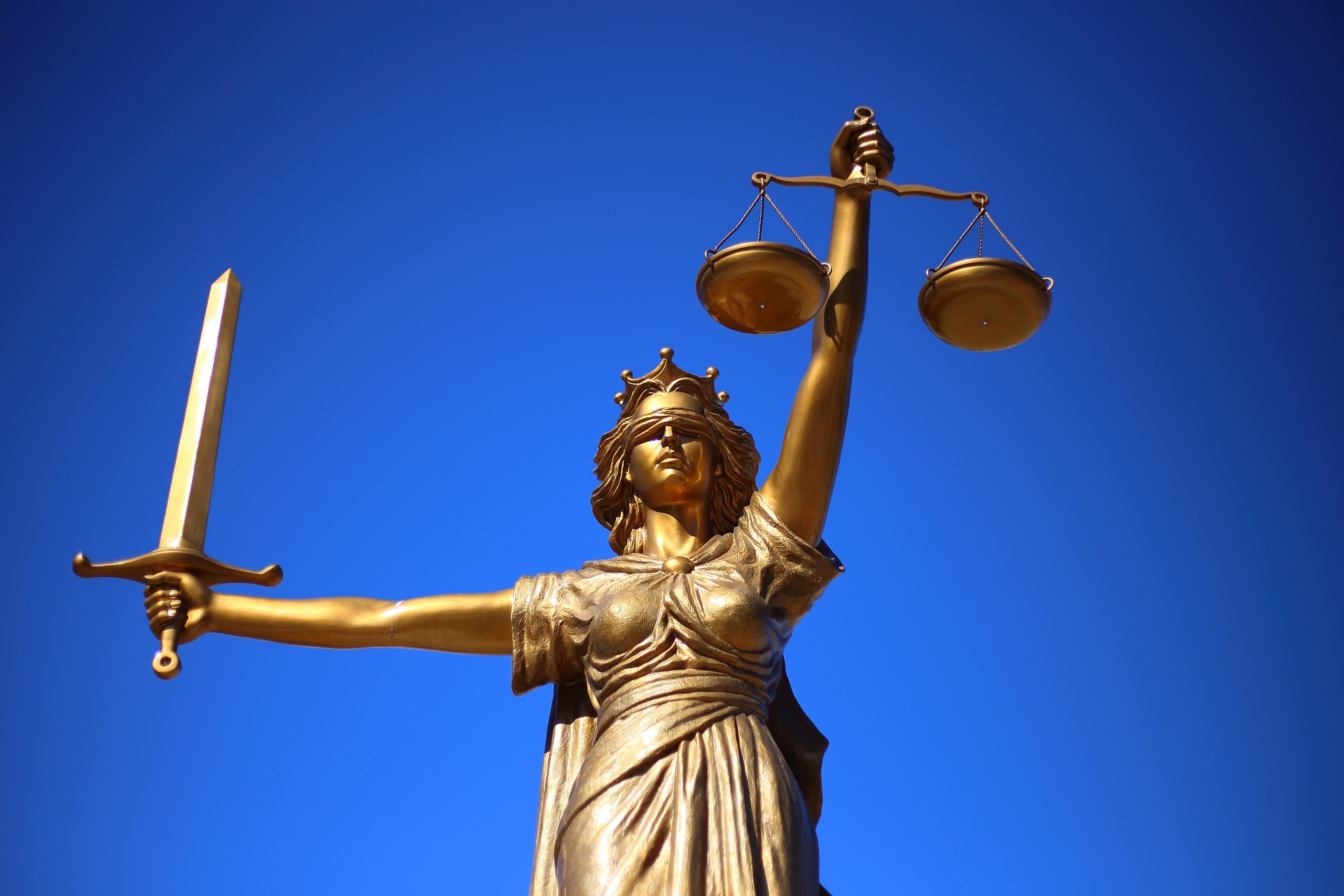
Why are judges still above the law?

We cannot allow the courts to quietly reassign clerks year after year while shielding judges from accountability.

So, you want to clerk -- how will you avoid judges who harass their clerks?