
FCC Approves Satellite Spectrum License Streamlining
By reducing regulatory burdens, the FCC ‘is taking a critical step in allowing for continued American innovation and space superiority,’ according to the Commercial Space Federation.
By reducing regulatory burdens, the FCC ‘is taking a critical step in allowing for continued American innovation and space superiority,’ according to the Commercial Space Federation.
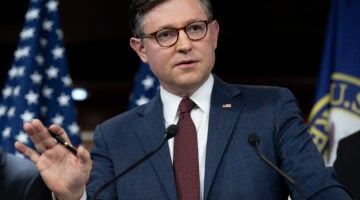
The sum falls slightly short of the $67 billion requested by the White House for expenses related to the Iran War.

A conversation with Trustpoint.One CEO Christopher Gallagher.
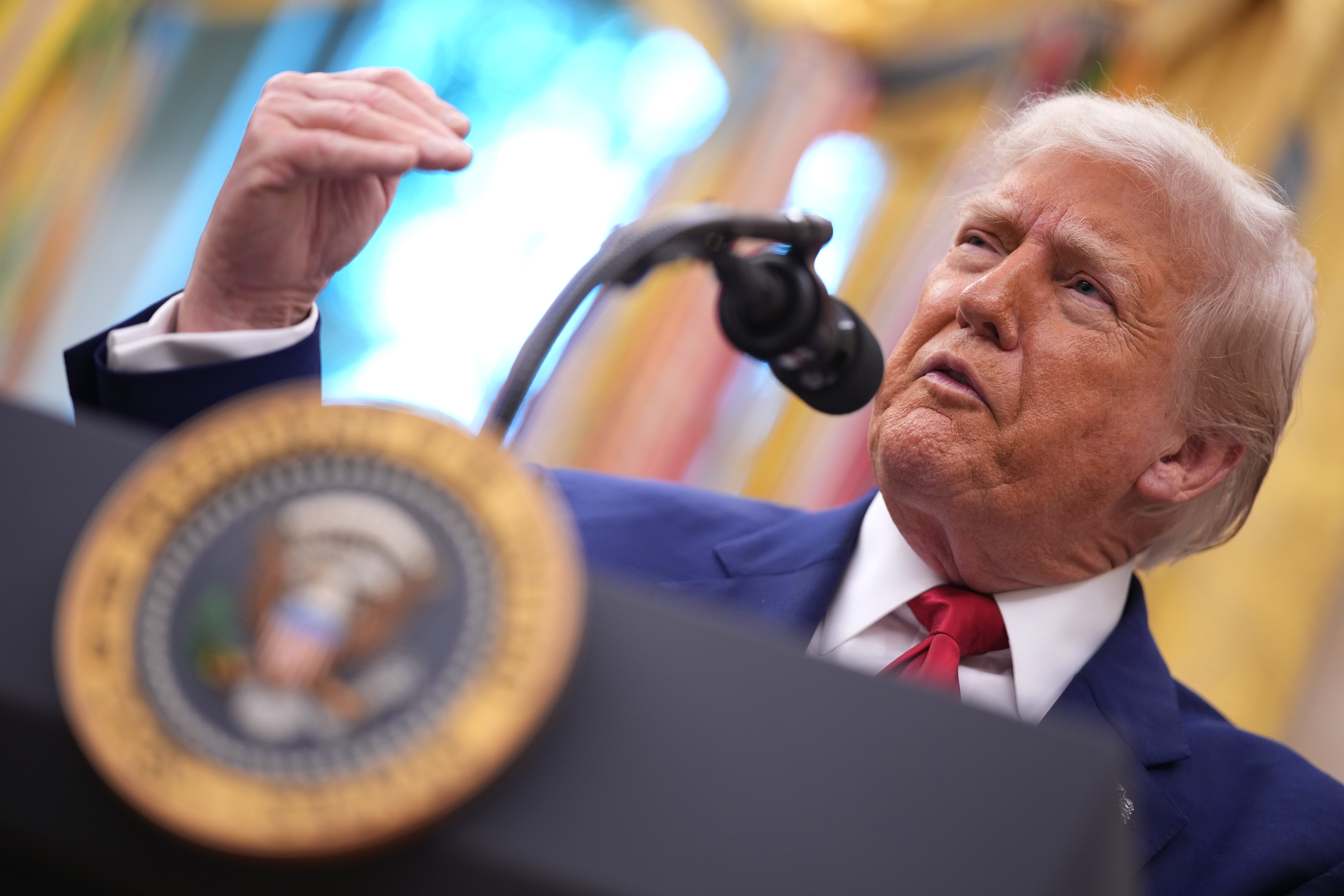
'We’re going to be taking the sanctions off,' the president said. 'We’re going to be taking the sanctions off. It’s time to do that. Ok? We don’t want to sanction friends. It’s very simple.'

GOP leadership said House members would leave for the Independence Day holiday tonight, leaving the timeline for NDAA passage unclear.

No amendments offered by Democrats survived the long mark up session for the fiscal 2027 spending bill.

Some experts believe the proposed pilot program, which could become law if left in the NDAA, is critical for how the US can tip the scales against China.

Explore the mindset, cultural shifts, and training strategies that define the AI‑savvy lawyer, revealing why human judgment, standardized competence, and integrated learning—not technology alone—will shape the future of the profession.

‘Our interest is using voluntary agreements .... For us to articulate problems to them around nasty issues in the supply chain and the industrial base that allow them to communicate and work together, essentially collude,’ said Michael Cadenazzi, the assistant secretary of Defense for Industrial Base Policy.

By imposing export controls on the bug-hunting AI Mythos/Fable 5, the Commerce Department has complicated the Pentagon’s already fraught relationship with Anthropic.
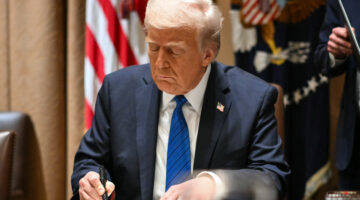
The 'National Security Presidential Memorandum' urges closer collaboration with AI companies — as long as they’re compliant with Pentagon demands — and orders a sweeping revision of Biden-era guardrails on military AI.

The EO creates a 'voluntary framework' for AI developers to give the government early access to their latest tech.

New executive research from Ari Kaplan explores how law firm leaders are responding to changing client expectations, evolving economics, talent transformation, and AI governance.

The initiative, led by the UK and France, would only begin once a ceasefire has been declared but could involve 40 nations.

This week on The Break Out, we explore the US military's newest tranche of declassified Unidentified Anomalous Phenomena.

Valerie Insinna outlines how Congress draws up a military spending plan for the year ahead.

‘The path to AI-enabled, allied intelligence advantage runs primarily through governance, not necessarily through additional capability,’ said UK Royal Marine Maj. Gen. Paul Lynch, who directs NATO intelligence policy.
The Defense Department stated in a legislative proposal that it will likely spend about $50 million in fiscal 2026 to get the ball rolling on a name change.