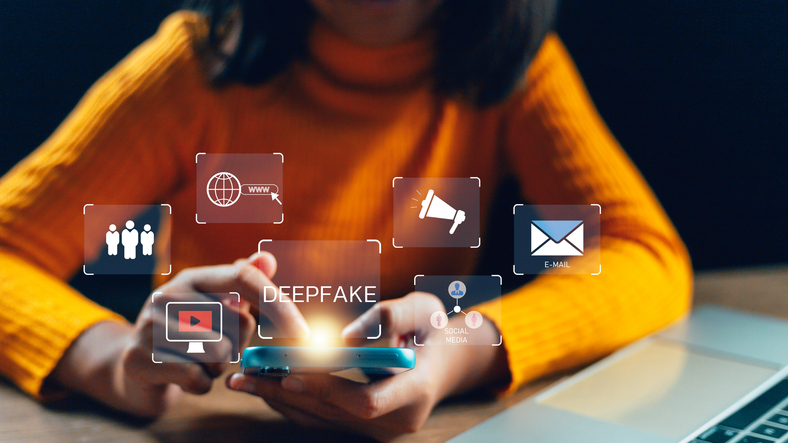
AI Evidence: Blurring The Line Between Reality And Fiction
It’s easier than ever to manufacture evidence -- and get away with it.
It’s easier than ever to manufacture evidence -- and get away with it.
Seeing will no longer be believing; seeing will require verification.

New executive research from Ari Kaplan explores how law firm leaders are responding to changing client expectations, evolving economics, talent transformation, and AI governance.
Lawyers and judges have not yet realized that virtually any piece of evidence, the realism of which we have taken for granted, could now be fake.
Remember when people wanted to pass a 10-year moratorium on any AI regulation?
Deepfakes and evidence created or enhanced by AI are going to become increasingly prevalent. How can we successfully confront the problem?
Every new tool a PI firm buys solves one problem and connects nothing. The real fix isn't another purchase — it's keeping the whole case in one place, from accident to resolution. Here's how.

Can't judge a book without reading its contents.
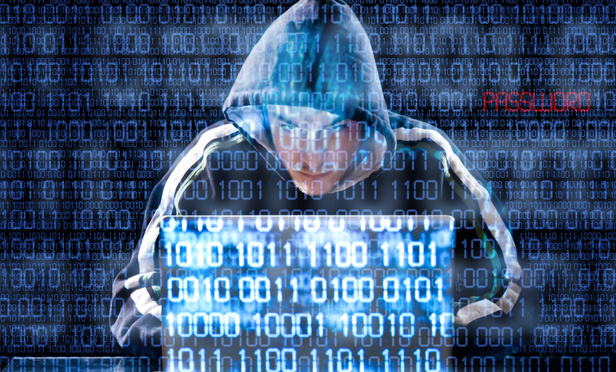
In the past year, deepfakes have become the second most common cybersecurity incident.
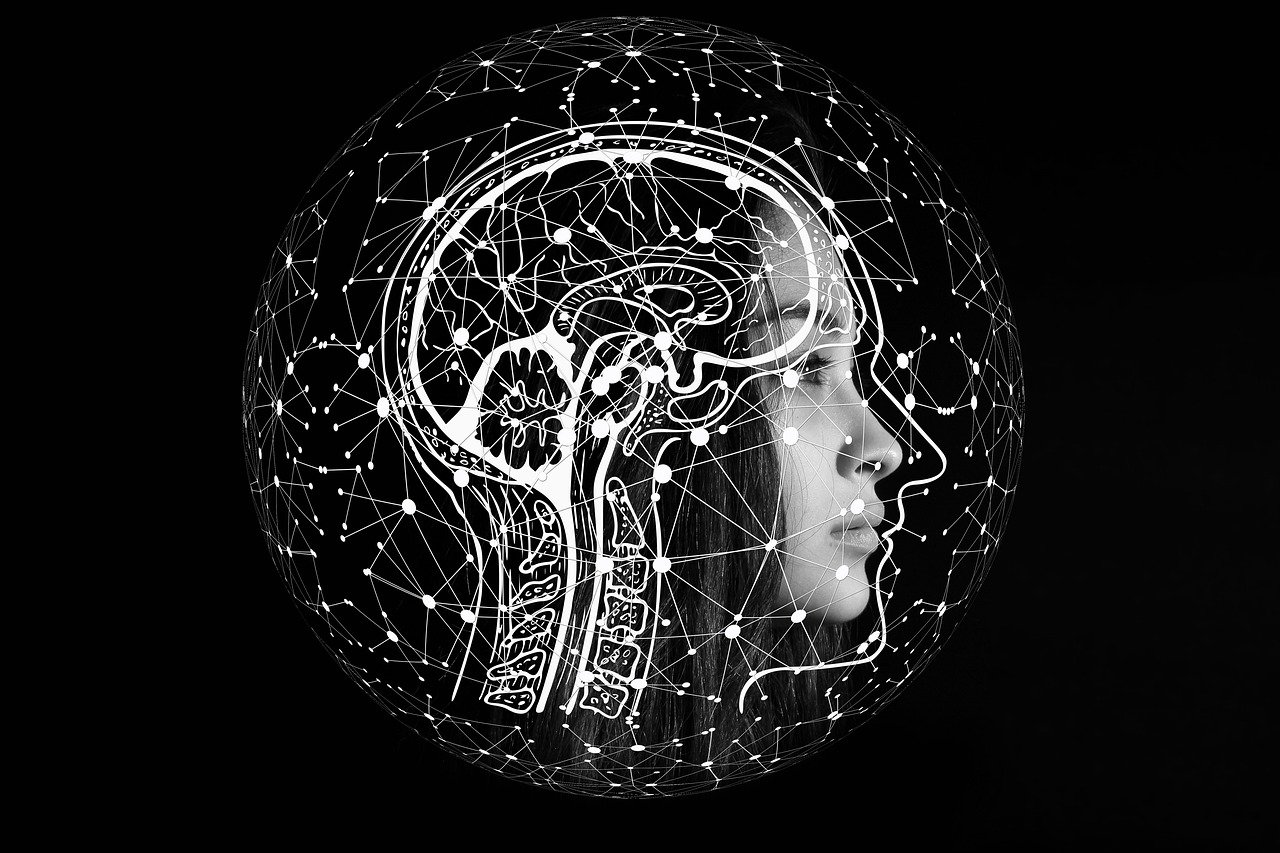
Determining the admissibility of videos created using AI tools presents a challenge even for the most technology-adept judges, of which there are relatively few.

Better to get this done sooner rather than later.

A conversation with Trustpoint.One CEO Christopher Gallagher.

Caught red-handed or caught red herring?
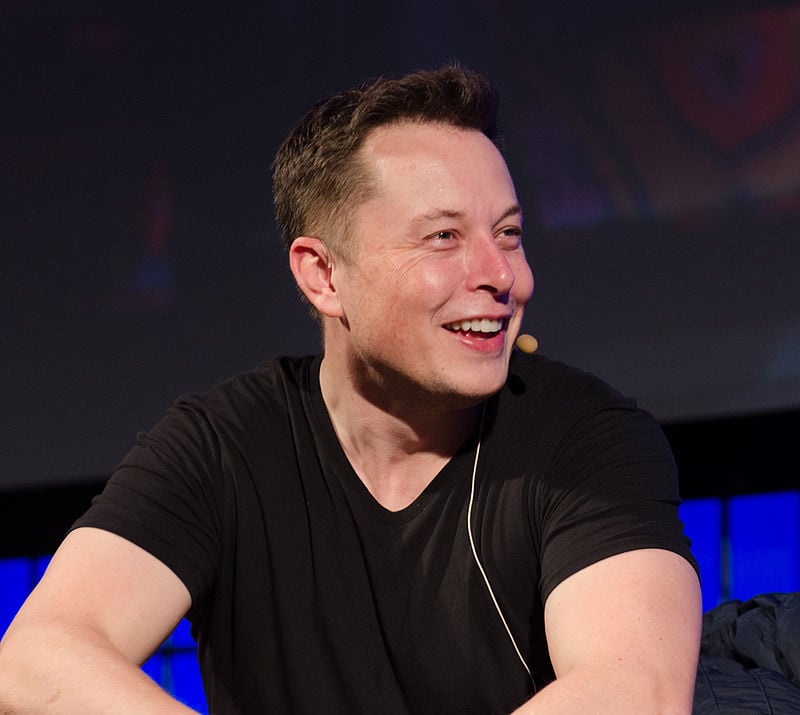
Tesla is refusing to produce Musk to answer about his recorded safety claims because, they contend, what if he didn't make them?
We make it too easy.

In this political season it is easy to see how such deepfakes may be used.

Countering disinformation in a deepfake world.