
Federal Judge Fully Prepared To Rip Betsy DeVos A New One For Disobeying Order On Student Loans
Will it be contempt, sanctions, or jail? Hmm...
Will it be contempt, sanctions, or jail? Hmm...
* Trump wins on taxes (this time): A federal judge in California blocked a state law that would require candidates for president to disclose their income tax returns before their names can appear on the state's primary ballot. [CNN] * In the wake of Dr. Christine Blasey Ford’s accusations of sexual assault, Justice Brett Kavanaugh’s name has not been “totally and permanently destroyed” as he predicted; though he may be regarded as a “walking controversy,” he’s mostly gone back to his regular life. [Washington Post] * Rudy Giuliani has hired former Watergate prosecutor Jon Sale to represent him in the impeachment inquiry against President Trump. Sale says of his client: “He 100 percent did not do anything illegal.” That’s a good lawyer. [National Law Journal] * The D.C Circuit largely upheld the FCC’s right to dump net neutrality rules, but the court’s opinion still allowed for state and local governments to set their own regulations that would prohibit some customers from being charged more than others. [Associated Press] * A judge has ruled that Harvard's admissions policies are constitutional due to the school's reliance on "race conscious admissions." If Students for Fair Admissions appeals, it could go to SCOTUS and endanger affirmative action. [NPR] * If you’ve been dreaming about going in-house and eventually becoming general counsel, now might be a good time to make a move, considering that GC pay recently hit a five-year high of $2.6 million. [Big Law Business] * “Alabama and I had a difference of opinion, but Gainesville and I have the same opinion.” That tide has rolled, so Hugh Culverhouse decided to make a $1.1 million donation to the University of Florida Levin College of Law. [Herald Tribune]
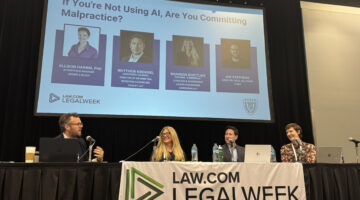
Takeaways from a Legalweek panel on evolving malpractice risks.
Towns try out a new strategy to rid themselves of powerful opposing counsel.

While technically legal, it is imperative to look at who is impacted directly from the guardianship proceeding.
It's horrifying that you WANT to use a word that is so intertwined with oppression and enslavement.

Following the verdict, the school district issued a statement noting that all of its employees would participate in online copyright training each year.

Depositions by Filevine help with scheduling, tracking goals, and trial prep.
There are many contemporary threats to First Amendment values, the most alarming being the current president.

The concern about the heckler’s veto is real, and important. But so too are universities’ concerns about safety and cost.
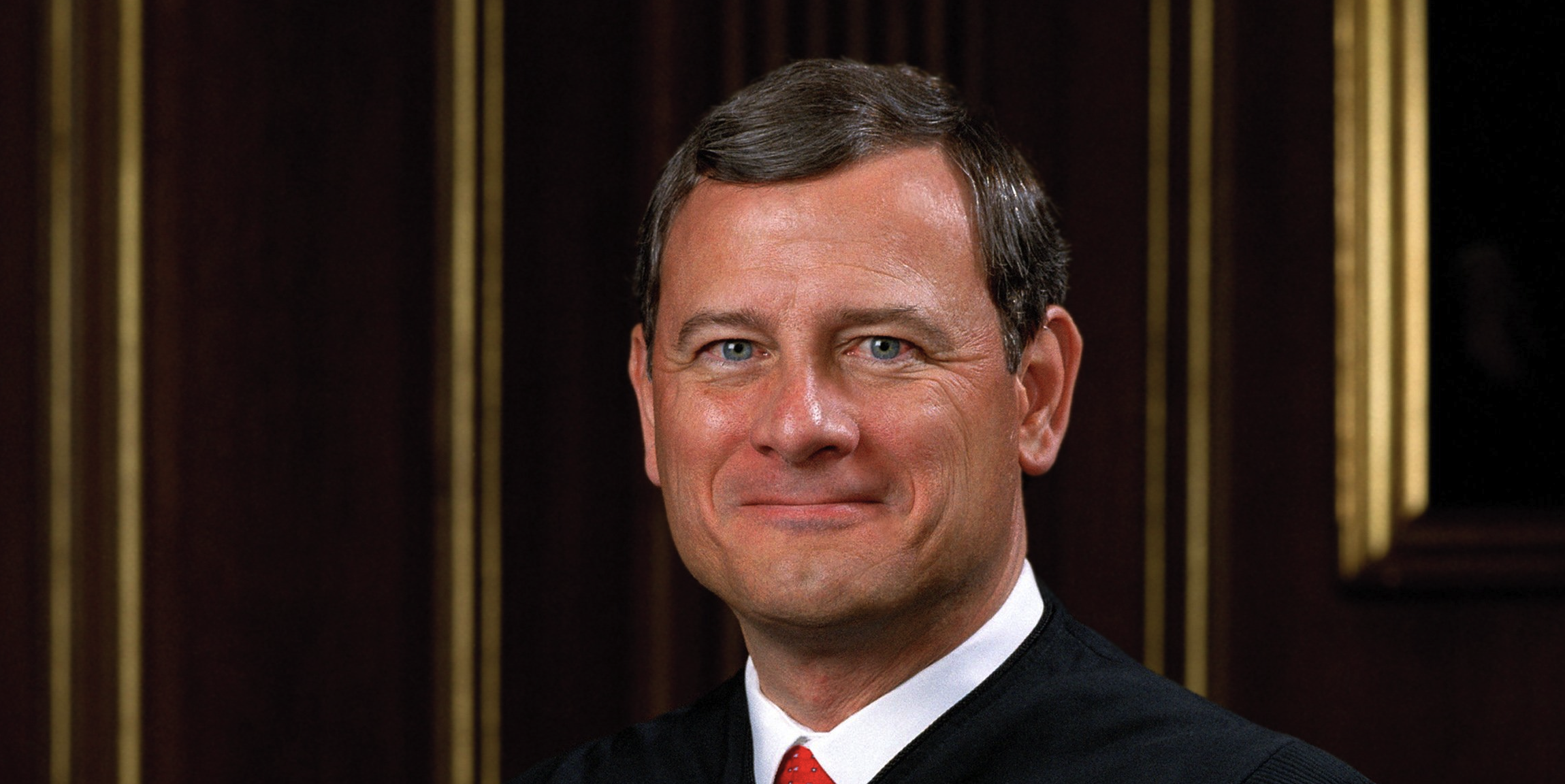
* In the wake of Justice Anthony M. Kennedy's retirement, I predicted that Chief Justice John Roberts, a staunch institutionalist when it comes to the Supreme Court, would serve as a moderating influence at SCOTUS -- and so far that seems to be the case, with Adam Feldman noting a "a mild liberalizing over time" in JGR's jurisprudence. [Empirical SCOTUS] * Speaking of SCOTUS, it's high time for the Court to resolve the messy circuit split on email privacy under the Stored Communications Act, according to Orin Kerr. [Volokh Conspiracy / Reason] * The Trump Administration's new executive order about free speech on university campuses might harm rather than help the cause of academic freedom, as Paul Horwitz points out. [PrawfsBlawg] * Republicans aren't the only ones with purity tests for judicial nominations; Demand Justice, a left-wing group focused on the federal judiciary, has high standards for Democratic opposition to Trump nominees. [Bench Memos / National Review] * While you wait for the 2019 edition of Above the Law's law school rankings, check out the latest installment of the "revealed preferences" law school rankings, by C.J. Ryan and Brian L. Frye. [SSRN] * What's next for Kira Systems, a leader in the world of legal AI? Co-founder and CEO Noah Waisberg isn't resting on his laurels -- and he's putting that $50 million investment from last September to work. [Artificial Lawyer] * Fastcase continues to forge new partnerships -- and in its latest alliance, it will give its subscribers access to select titles from the American Bar Association (which, full disclosure, published my book (affiliate link) in 2014). [Dewey B Strategic] * If you'll be in New York this coming Wednesday, consider attending the inaugural Kenneth P. Thompson '92 Lecture on Race and Criminal Justice Reform at NYU Law School, focused on wrongful convictions and the roles of prosecutors and others in the criminal justice system. [NYU Law]
Kids who might have gone to elite undergrad institutions and would have had a chance at law school may be overlooked in the law school application process.

Drawing on more than a decade of data, the report equips law firms and corporate legal teams with actionable insights to better assess risk, refine strategy, and anticipate outcomes in today’s evolving workplace disputes.

Is anyone willing to fix this? Or will the status quo remain the same forever?
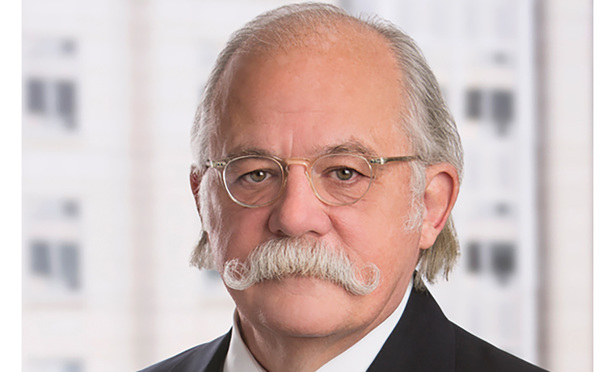
* With Justice Anthony M. Kennedy off the Supreme Court, who has replaced him as the justice most often in the majority? The answer might surprise you (but note that this is based on only part of the Term). [Empirical SCOTUS] * Speaking of SCOTUS, what does its recent copyright ruling in Fourth Estate v. Wall-Street.com mean for creators? Here's a clear and concise breakdown. [All Rights Reserved] * In the wake of the giant college admissions scandal, is it time to rethink how elite institutions admit their students? David Orentlicher offers this proposal for reform. [PrawfsBlawg] * Joel Cohen suggests that perhaps Ty Cobb should have kept his praise of Robert Mueller to himself. [The Hill] * What's the state of U.S. Philippines relations, including the 1951 Mutual Defense Treaty, in light of expanding Chinese influence in southeast Asia? It's complicated, according to Mark Nevitt. [Just Security] * How has the judicial confirmation process changed under President Donald Trump? Pretty significantly, as Thomas Jipping explains. [Bench Memos / National Review] * Congratulations to the latest winner of the Joseph Story Award, Professor Samuel Bray -- who delivered an acceptance speech that's well worth your time. [Volokh Conspiracy / Reason] * Is a federal law that prohibits federal agencies from using equipment from the controversial Chinese company Huawei an unconstitutional Bill of Attainder? Easha Anand, Charlie Gerstein, and Jason Harrow tackle this question, and more, in the latest episode of Versus Trump. [Versus Trump via Take Care]

Inequality begets inequality. And we are only becoming more unequal.

What are the key issues in the case, and when can we expect a ruling?

In cases of rape, due process is traumatic, and it makes the constitutional right often difficult to accept.