
Rationalizing International Law
What can we do about national laws that are not merely inconsistent, but absolutely conflicting?
What can we do about national laws that are not merely inconsistent, but absolutely conflicting?

Is it possible to respond to the legitimate concerns of exploitation without enacting draconian legislation?

Takeaways from a Legalweek panel on evolving malpractice risks.
Is it possible to respond to the legitimate concerns of exploitation without enacting draconian legislation?

Today's a big day for the ICC.

How can you, as an importer of products, avoid getting hit with a massive antidumping or countervailing duty fee?

The talk of Trump's dictatorial qualities can cloud how a real dictatorship functions.

Most law firms, big and small, that have adopted AI are making the same mistake: they bought a tool for their lawyers and called it a strategy.
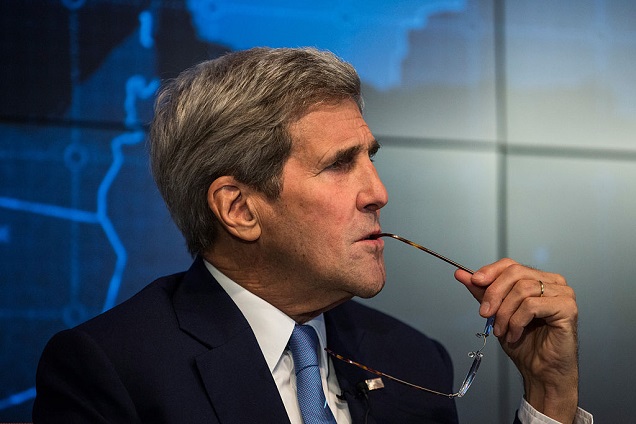
After a long and productive Facebook conversation, I think I have a good way of explaining this whole Iran/Nuclear Deal/$400 Million Payment thing in a way suburban voters can appreciate.

Can an international deal fall through because electronic signatures were used?
* Bill Cosby files suit against 7 women who accused him of sexual assault, because accusers say the darnedest things. [BBC News] * NY to 193!!! If you're a state judge. Maybe. [NY Daily News] * Bowe Bergdahl faces court-martial for desertion. It's like Saving Private Ryan meets Earnest Goes To Fort Leavenworth. [NY Times] * Jury convicts the Bryan Cave attorney accused of fraud in an effort to take over Maxim magazine. [NY Post] * A Missouri lawmaker proposes a bill to strip athletes of scholarships if they refuse to play because one possible scrap of power for black people hasn't been regulated yet. [Huffington Post] * Rather than accept the $200 million judgment against Andrews Kurth, a Texas judge orders the parties back to mediation. [Law360] * Putin signs law allowing Russia to overturn international human rights decisions in a move that, frankly, I'm surprised wasn't taken years ago. [Reuters]
If you are sitting at the table for five minutes and you can't spot the difference between the refugee and the terrorist, you are the terrorist.

Legal and operational leaders are gathering May 6–7 in Fort Lauderdale to confront the questions the industry hasn't answered—with a keynote from Amanda Knox setting the tone.
It may not come to nuclear war, but China and the U.S. are taking a dispute over statutory interpretation to a dangerous level.
Put down the booze, lawyers.
NYU students are up in arms over a professor who has given controversial legal advice.
Chinese companies are increasingly requiring their commercial contracts with American companies provide for disputes to be resolved by arbitration in China. How can you prevail?
Foreign companies in China should be increasing their guard against these listed items in 2015, most of which result from the slowing economy.