
Former Insys Execs In Alleged Opioid Conspiracy Start Criminal Trial In Boston
The trial - of Insys founder John Kapoor and four other defendants - had been scheduled to start Monday morning.
The trial - of Insys founder John Kapoor and four other defendants - had been scheduled to start Monday morning.

* Nancy Gertner and Laurence Tribe take Alan Dershowitz to task for his unorthodox analysis of the sentencing proceedings of General Michael Flynn. [Boston Globe] * In this elegant essay, Jane Chong uses two notable new books -- To End a Presidency: The Power of Impeachment, by Laurence Tribe and Joshua Matz, and the updated edition of Charles Black's classic, Impeachment: A Handbook, with a new preface and additional chapters by by Philip Bobbitt (affiliate links) -- as the jumping-off point for reflections on impeachment, law, and politics. [Los Angeles Review of Books] * Judges often struggle when it comes to sentencing -- and that's as it should be, according to veteran defense lawyer and former prosecutor Joel Cohen. [New York Law Journal] * Yes, more of President Donald Trump's judicial nominees have been rated "not qualified" by the American Bar Association compared to the nominees of his four most-recent predecessors -- but as Patrick Gregory explains, there are some reasons for this (most notably, the Trump Administration's decision to stop giving the ABA a sneak peek at nominees, which allowed past administrations to simply pull nominees the ABA deemed unqualified). [Big Law Business] * Jonathan Adler has many problems with the recent ruling by Judge Reed O'Connor (N.D. Tex.) on the constitutionality of the Affordable Care Act -- including the fact that Judge O'Connor ruled in the first place. [Volokh Conspiracy / Reason] * Former public defender Stephen Cooper flags an issue that many reporters probably haven't thought much about: "When Will Journalism Grapple With the Ethics of Interviewing Mentally Ill Arrestees?" [CounterPunch] * As 2018 draws to a close, the U.S. Chamber offers up its annual list of the year's Top 10 Most Ridiculous Lawsuits. [Faces of Lawsuit Abuse] * Looking ahead to 2019, the new year could ring in new legislation that could help lower drug prices by facilitating the timely entry of generics into the market, as Alaric DeArment reports. [MedCity News]

How a former insurance agent built a Houston injury practice around systems, empathy, and disciplined advocacy.

With so much talk about blackouts in the news lately thanks to Justice Brett Kavanaugh, Brian Cuban tells us about one of his blackout experiences.
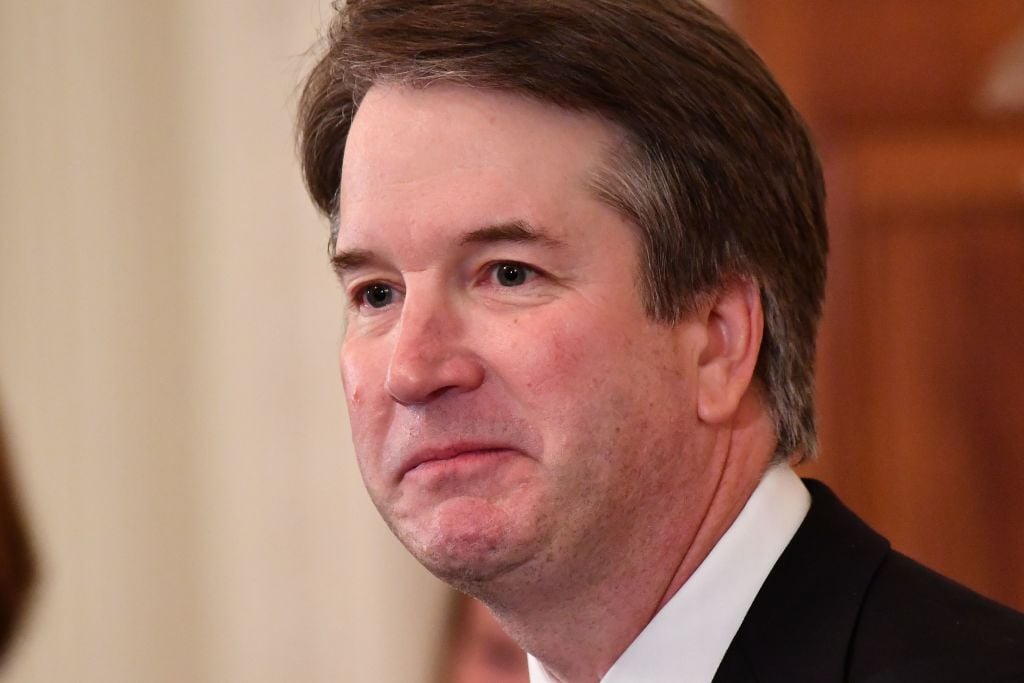
* Brett Kavanaugh admits he played dice, but not for money. If you believe that, I've got some $80K baseball tickets to sell you. [Huffington Post] * When you hear about people ignoring authorities and remaining in the path of a hurricane, you may not think of lawyers, but some attorneys in the path of Florence are embracing the opportunity to finally get some work done. [Law.com] * El Chapo's lawyer may have a conflict of interest. Saul Goodman couldn't be reached for comment. [NY Post] * D.C. Circuit set to hear case about the IRS's obligation to turn over Trump's tax returns. This is another of those cases where losing is its own victory -- the tax returns are almost certainly less interesting than how aggressively he's fighting this. [National Law Journal] * Alyssa Milano partners with the Vera Institute of Justice promoting the SAFE Families Fund to protect immigrant families targeted by the government. [San Diego Union Tribune] * Trump's divorce lawyer has sold a tell-all book. That's either a marketing lie or he has some client confidentiality issues. [Page Six] * "Strangely my most memorable case was also in some respects my least enjoyable" -- the best way to make a mark is to leave a scar. [Legal Cheek]
Far too many lawyers and legal professionals have suffered in silence for far too long. It's time to do something about it.

There's a conspiracy theory out there about the government's intellectual property interest in marijuana. It's not nearly as sinister as people think.

As federal borrowing caps tighten financing options for law students, one organization is stepping in to negotiate the terms they can't secure alone.

Law students are purchasing the drug on the black market because they believe it will give them a competitive advantage.

If we acknowledge that drug addiction is a brain problem and not a criminal act, is it fair to incarcerate people who relapse?

* Roy Moore threatens to sue Showtime because he's one of the few people left on the planet that can't recognize Sacha Baron Cohen. [Variety] * Apparently, the court frowns upon handjobs in their conference rooms. [Columbus Dispatch] * The Daily Journal published some thoughts on Justice Kennedy’s retirement from Alex Kozinski, reminding everyone again about that Kozinski-Kavanaugh connection. [Slate] * Law firm leaders are optimistic that they're about to see some growth in demand despite years and years of evidence to the contrary. [American Lawyer] * Opioid dealers incensed that they may have to pay some sort of penalty for all that "human misery." [New York Law Journal] * Washington's AG announces agreement ending fast food non-compete policies for their workers. Yes... fast food restaurants have "non-compete" agreements. [Seattle Times] * Hackers are selling access to law firms for $3500 which isn't a new phenomenon. [CNBC]

* Now begins the period of wild predictions about Kennedy’s eventual replacement. Young judge with proven record of hostility toward minorities, gays, and women would be a pretty good bet. [National Law Journal] * A whopping 33 states employ the UBE now. [Law.com] * No one is actually complying with GDPR. Sounds right. [Digiday] * But back to Supreme Court news, remember Roe? Yeah that won’t be around much longer. And if you’ve deluded yourself into the Pollyannaish belief that Roberts won’t go there, you’re forgetting how courts work. [Slate] * This op-ed by the legal luminary power family, the Amars, about Justice Kennedy’s call for a civil and balanced court in his Muslim Ban concurrence did not age well. But it’s worth revisiting to demonstrate just how deeply Kennedy grifted everyone, including some of the smartest legal minds around, with his “swing” schtick. [CNN] * ICE lawyer decides it’s time to help kids instead of hurt them. To quote West Wing: “Let's... I tell you what, let's forget the fact that you're coming a little late to the party and embrace the fact that you showed up at all.” [USA Today] * Border patrol is about to get aggressive on keeping Canadians out. [Newsweek]

Grounded in authoritative content and verified at every step, Protégé is the only legal AI tool that delivers work you can trust—without exception.
Someone had a lot of fun with this one.

Courage is finding that one moment to tell someone who can help versus someone who wants to be part of your secret.

This guy has some explaining to do.
* The Supreme Court heard argument in Janus yesterday and, well, labor rights were fun while they lasted! [National Law Journal] * Marvin Washington's pot decriminalization suit dismissed, continuing the Jets losing streak. [Law360] * The explosion of Emoji keyboards presents a problem for eDiscovery. So bust out those Rick & Morty stickers if you want to keep your insider trading habits from prying eyes. [Legaltech News] * How does a receiver deal with Bitcoin? How can currency with no "home" be seized? A Jones Day partner is figuring that out. [The Recorder] * Supreme Court debates whether or not Amex can prevent merchants from offering incentives to keep people from using their Amex card. So if it gets more difficult to use your corporate card, blame the justices. [Courthouse News Service] * The head of legal relationship management for Barclays discusses the bank's model for dealing with outside counsel. [Big Law Business]

He was actually 'surprised' by the amount he'd taken from the firm.