
Paparazzi By Drone: Is This Legal?
Do paparazzi drones cross some magical privacy line? The California legislature thinks so.
Do paparazzi drones cross some magical privacy line? The California legislature thinks so.
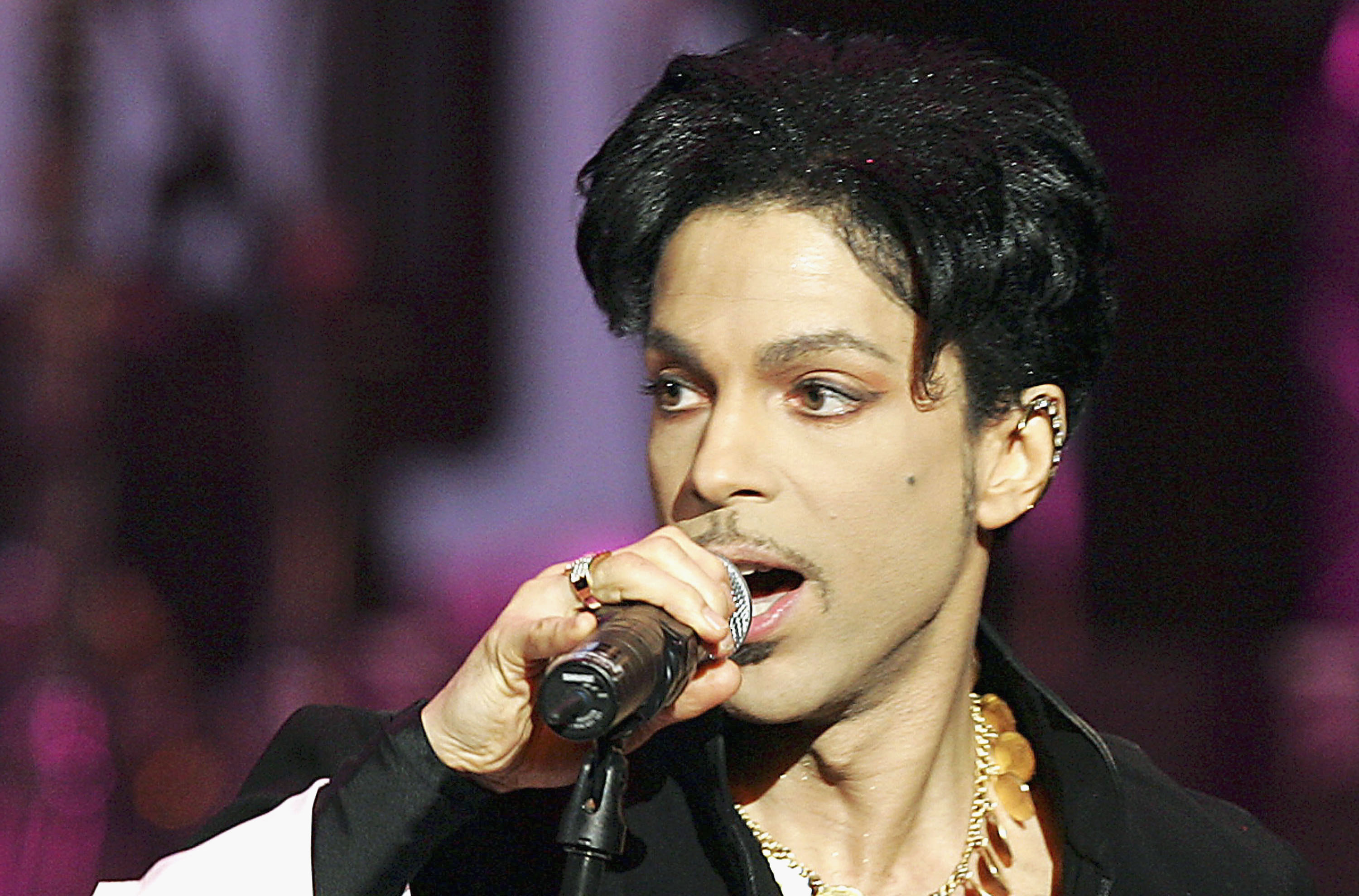
* Prince will forever be remembered as a pioneering musician who mastered multiple genres, including rock, soul, pop, and funk, but members of the legal profession will always remember him as a ferocious defender of his music's copyright protections. [WSJ Law Blog] * Per a recent study that's being referred to as the Glass Ceiling report, Wall Street Biglaw firms rarely promote women to partner. In fact, out of the 8,549 attorneys practicing at the 300 large law firms surveyed, only 3.9 percent are female partners. [Law360 (sub. req.) via ABA Journal] * Hunton & Williams recently launched a new practice group dedicated to dealing with legal issues related to 3D printing. The innovative team will work on legal questions involving everything from intellectual property and product liability to insurance and tax. The firm now joins Reed Smith in this unique practice area. [3DPrint.com] * Anna Alaburda's case against Thomas Jefferson Law over its allegedly deceptive employment statistics may have ended in defeat, but there's still one more law school lawsuit fighting its way through the courts. A case that was filed against Widener Law was appealed to the Third Circuit, and a decision is expected soon. [News Journal] * Thanks to a ruling issued by Judge John A. Ross of the Eastern District of Missouri, the 42 lead plaintiffs in the Ashley Madison privacy hack case will not be allowed to proceed anonymously. It may be embarrassing, but as class representatives, they've got special roles. They must identify themselves, or proceed as mere class members. [Reuters]
Law firms and legal departments are writing the future of the profession in separate rooms. What happens when they actually work together?

The implications of the Panama Papers leak might seem dizzyingly complex, but their gist can be distilled into this simple graph.

A significant portion of corporations employ outside counsel for privacy and data security matters, according to a Bloomberg Law/International Association of Privacy Professionals survey study.
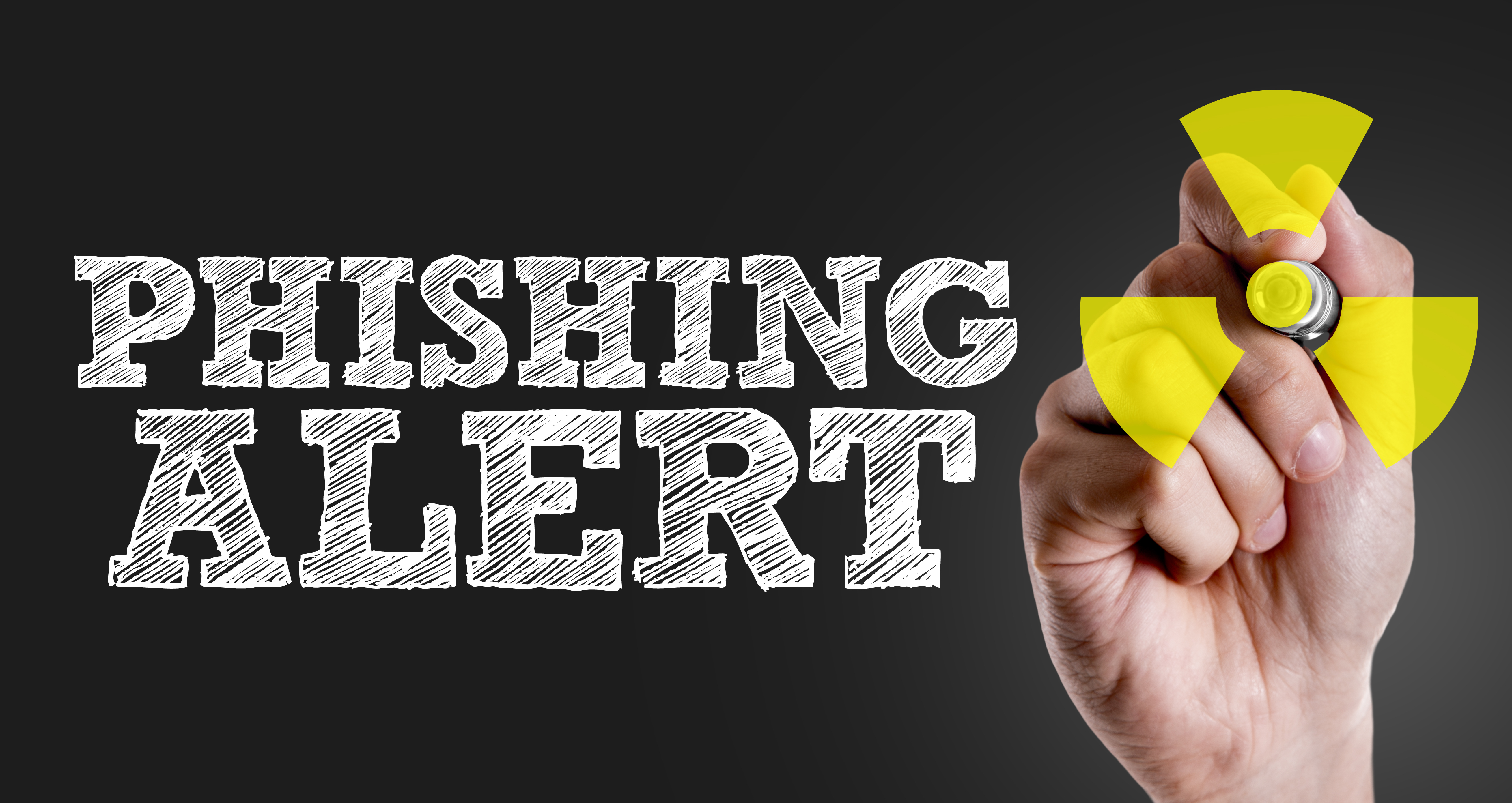
The mistake was caught by the firm when employees started reporting they were victims of fraud.

In the wake of the big hack of Biglaw, it's time to focus on what you can do to make yourself more cyber-secure.
Legal work isn’t slowing down, and the firms that win won’t be the ones working harder — they’ll be the ones working smarter.

* Legal showdown averted (for now): the feds were able to access the data on the San Bernardino shooter's iPhone without any help from Apple. [Washington Post] * A Harvard Law School grad stands accused of a $95 million fraud scheme -- yikes. We'll have more on this later. [ABA Journal] * Does a sentencing delay violate the Sixth Amendment right to a speedy trial? Some on SCOTUS seem skeptical. [How Appealing] * Georgia Governor Nathan Deal announces his intention to veto the Free Exercise Protection Act, which critics claimed would have protected discrimination as a form of religious liberty. [New York Times] * Hillary Clinton takes Republicans to task for their handling of the current Supreme Court vacancy. [Wisconsin State Journal via How Appealing] * Some thoughts from Professor Noah Feldman on the recent Seventh Circuit ruling about the use of form contracts on the internet (which nobody reads). [Bloomberg View] * Save money (on taxes), live better: a federal judge strikes down a tax levied by Puerto Rico on mega-retailer Wal-Mart. [Reuters] * The Bracewell law firm, now sans Giuliani, elects Gregory Bopp as its new managing partner. [Texas Lawyer]
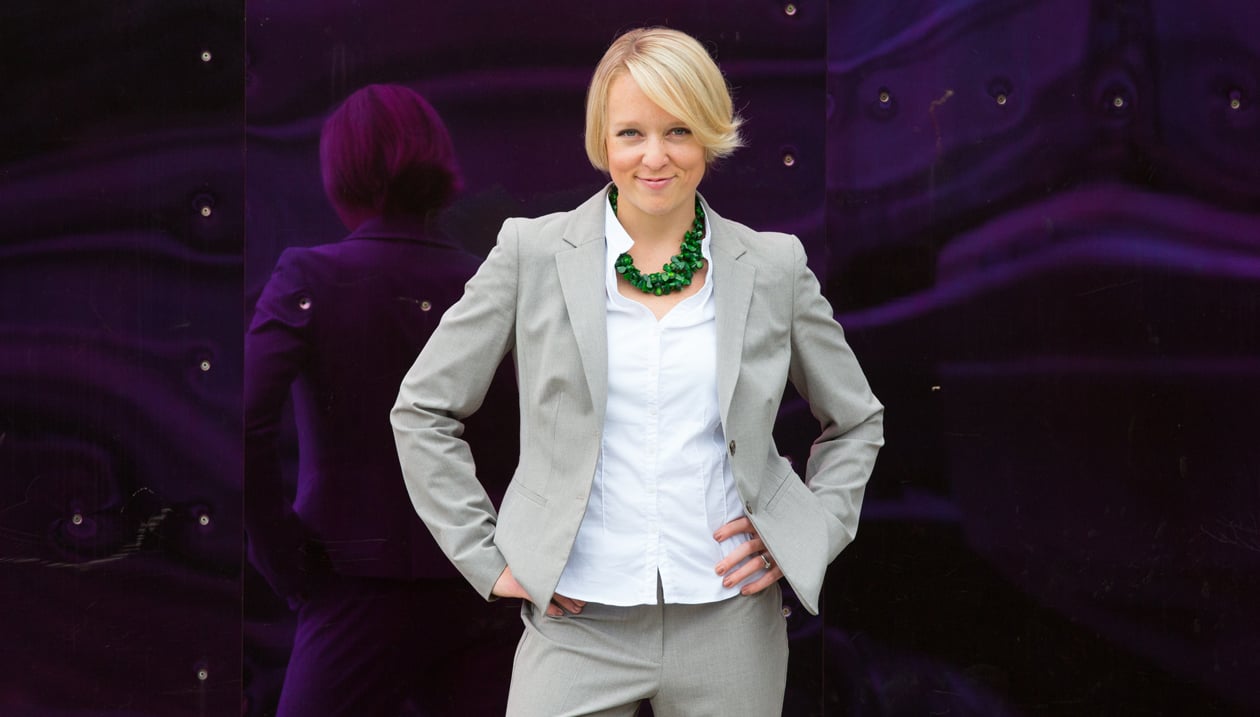
What happens when you combine cannabis, whose laws are changing almost daily, with technologies that are constantly evolving as well?

The Last Week Tonight host tackles Apple's clash with the government over iPhone security with trademark wit.

* This peeping Tom better have a big bankroll: A jury awarded sportscaster Erin Andrews $55 million in her case against a stalker who recorded unauthorized nude videos of her in a hotel. Defense attorneys seem peeved that she won since her "career skyrocketed" and wasn't completely destroyed by the incident. [NBC News] * "[W]e are sort of reaching the height of the most frustrating part of this process for those of you who are trying to cover it." Even if the judges purportedly being vetted for a Supreme Court nomination had visited the White House to speak with President Obama, the public would never know it thanks to the strict secrecy protocols involved. [CNN] * Despite the fact that most Supreme Court justices don't themselves read the numerous amicus curiae briefs filed in support of the cases being heard before the high court, according to a new study, it takes an "amicus machine" -- including amicus wranglers and whisperers -- and a lot of hard work to get them into shape. [New York Times] * Uh-oh... some 4-4 ideological splits may be in our future this Term. In the wake of Justice Scalia's death, Justice Alito and Justice Thomas seem to have decided to team up to stabilize the Supreme Court's conservative wing, joining in each other's dissents from the majority's unsigned opinions in otherwise routine matters. [WSJ Law Blog] * February may have been a great month for those with Leap Day birthdays, but it was pretty terrible for the legal profession. Per the latest Bureau of Labor Statistics figures, 1,500 jobs were lost last month. In other news, we've not yet fully recovered from the recession in terms of employment numbers. [Big Law Business / Bloomberg BNA]

LexisNexis sat down with John Ursin, Managing Partner at Schenck Price, to learn how the firm is using legal AI to strengthen client service and daily legal work.

Apple lays out the battle lines in its bout with the federal government over privacy, law enforcement, national security, and hacking.
The government effort to force Apple to break into one of its phones has spawned some double-speak.

"Say cheese!" is not a phrase that bacon wants to hear.
Given the advent of technology, what's the safest way to prepare for a lateral move while still at your firm?
The proposed Cybersecurity Act of 2015, basically wipes out any ability by the FCC or the FTC to make service providers respect user privacy, and instead, is designed to encourage more monitoring of user behavior.