 Animal rights activists have tried to secure legal rights for animals for years. From the sad story of a pair of NY chimps seeking humane living conditions to the more farcical IP dispute over who really is the author of a monkey selfie, animals have routinely been shut out of U.S. courts. At least until now.
The U.S. District Court for the Southern District of Ohio has recognized the “community of hippopotamuses living in the Magdelena River” — better known as the descendants of the hippos brought to Colombia by Pablo Escobar — for the purposes of deposing wildlife experts in the United States.
I mean, if corporations are people, why not cocaine hippos?
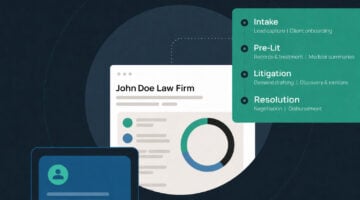
PI Firms Don’t Need More Tools. They Need Fewer.
Every new tool a PI firm buys solves one problem and connects nothing. The real fix isn't another purchase — it's keeping the whole case in one place, from accident to resolution. Here's how.
“Animals have the right to be free from cruelty and exploitation, and the failure of U.S. courts to recognize their rights impedes the ability to enforce existing legislative protections,” says Animal Legal Defense Fund Executive Director Stephen Wells. “The court’s order authorizing the hippos to exercise their legal right to obtain information in the United States is a critical milestone in the broader animal status fight to recognize that animals have enforceable rights.”
While a monumental day for animal advocacy, don’t expect the floodgates of animal litigation to open any time soon. The order — available here — by Magistrate Judge Litkovitz hinges on 28 U.S.C. § 1782, allowing parties to foreign proceedings to seek discovery in the United States. As it happens, Colombia does allow animals to bring legal actions. So this order is less a domestic recognition of animal rights than an act of international comity.
Still, it’s a first and a significant outcome for animal rights advocates seeking creative methods to get the interests of their clients into court.
Maybe someday soon, the Supreme Court will open let poor people count as litigants too.

Beyond Recall And Precision: Strategic Oversight Of AI Managed Review
AI can accelerate document review, but metrics alone aren't enough. Learn how Managing Attorney oversight turns AI-driven review into a more adaptive, strategic and defensible process.
 Joe Patrice is a senior editor at Above the Law and co-host of Thinking Like A Lawyer. Feel free to email any tips, questions, or comments. Follow him on Twitter if you’re interested in law, politics, and a healthy dose of college sports news. Joe also serves as a Managing Director at RPN Executive Search.