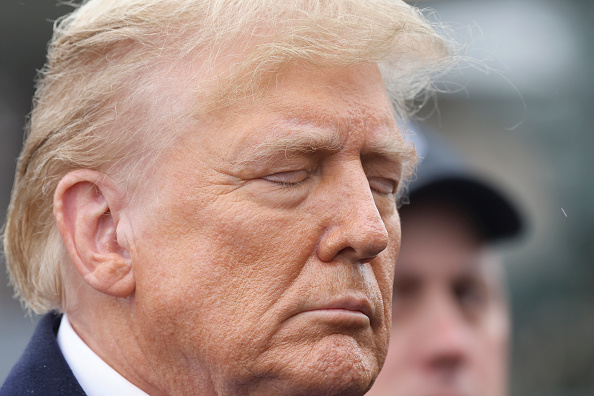
For many fresh law school graduates, getting a spot at the Department of Justice Honors Program was a pipe dream because of its ultra-competitiveness. But since President Donald Trump took office, many DOJ lawyers have quit, and some law students are wary of working there while Trump is president.
But despite the drama Trump brings to the DOJ, the Honors Program is still highly respected. Trump supporters will probably enjoy the work. But even those who do not support Trump but still want to join the DOJ should give it serious consideration.

Learning After Law School
Once you’ve got your law degree, how do you keep your professional skills up to date? Share your perspective in this brief survey, and you may be eligible to win a $250 gift card.
The first and obvious reason is that Trump will be gone in two and a half years. While he can still do a lot with the time he has left, new attorneys are not likely to answer to him directly. As this Bloomberg article mentions, some offices within the DOJ have tried to insulate more entry-level line attorneys from more controversial dockets although other offices may not have the luxury. This is something you will have to learn more about if you are invited to an interview.
The second reason is the experience you obtain is worth more than the possible reputational damage, if any. Working as a DOJ attorney has never been interpreted as a personal endorsement of any particular president’s politics, at least at the entry or middle levels. While Trump is a notoriously special case where he appears to value loyalty more than competency, this is only at the top level, and all presidents will nominate someone who they see eye-to-eye with. Most employers will care more about what skills you have learned on the job.
Third, if you do your research you will find that the DOJ encompasses many specialties, and it is not always involved in contentious matters.
For example, when it comes to immigration matters involving civil deportation cases (one of Trump’s more controversial policies), the attorneys representing the government before the Immigration Court and later the Board of Immigration Appeals work for ICE and the Department of Homeland Security.

How To Avoid Hallucinations: A Legal Research AI That Works Like A Junior Lawyer
Can we make legal research AI stop hallucinating? The answer is yes – and it’s how attorneys approach legal research with their associates.
Immigration judges are part of the DOJ, specifically the Executive Office of Immigration Review.
The DOJ’s Office of Immigration Litigation (OIL) represents the federal government before the federal district court or a federal appeals court. This is typically the case when the noncitizen loses at Immigration Court and the Board of Immigration Appeals.
DOJ attorneys handle federal criminal cases against drug dealers and human traffickers, including those involving transnational cartels and noncitizens. In other words, the real bad hombres.
So if you are not a fan of deporting people, work for the DOJ where you can prosecute international criminals instead.
Lastly, spots in the DOJ Honors Program will be less competitive while Trump is still in office, and many should take advantage of this opportunity because, in this prestige-obsessed profession, this opportunity may not come again for a long time. If you do good work and don’t do anything stupid or post anything crazy on social media (or better yet, post nothing at all), chances are good that you will keep your job when Trump’s successor is in office. That could mean a steady career with Public Service Loan Forgiveness benefits, or it could be a strong stepping stone to something else later.
So if you really want to work for the DOJ, ignore the haters and go for it. New attorneys are likely to be shielded from politically charged cases. The skill sets you obtain will be respected and transferable throughout your career.
Steven Chung is a tax attorney in Los Angeles, California. He helps people with basic tax planning and resolve tax disputes. He is also sympathetic to people with large student loans. He can be reached via email at [email protected]. Or you can connect with him on Twitter (@stevenchung) and connect with him on LinkedIn.