
The Judiciary Is Still Unaccountable, And This Congress Won’t Fix It
It’s easy to lose sight of the cultural change LAP has created.

Aliza Shatzman is the President and Founder of The Legal Accountability Project, a nonprofit aimed at ensuring that law clerks have positive clerkship experiences, while extending support and resources to those who do not. She regularly writes and speaks about judicial accountability, clerkships, and diversity in the courts. Reach out to her via email at [email protected] and follow her on Twitter @AlizaShatzman.
It’s easy to lose sight of the cultural change LAP has created.

Most misconduct isn’t formally reported.

With the addition of Uncover’s technology, the litigation software is delivering rapid innovation.
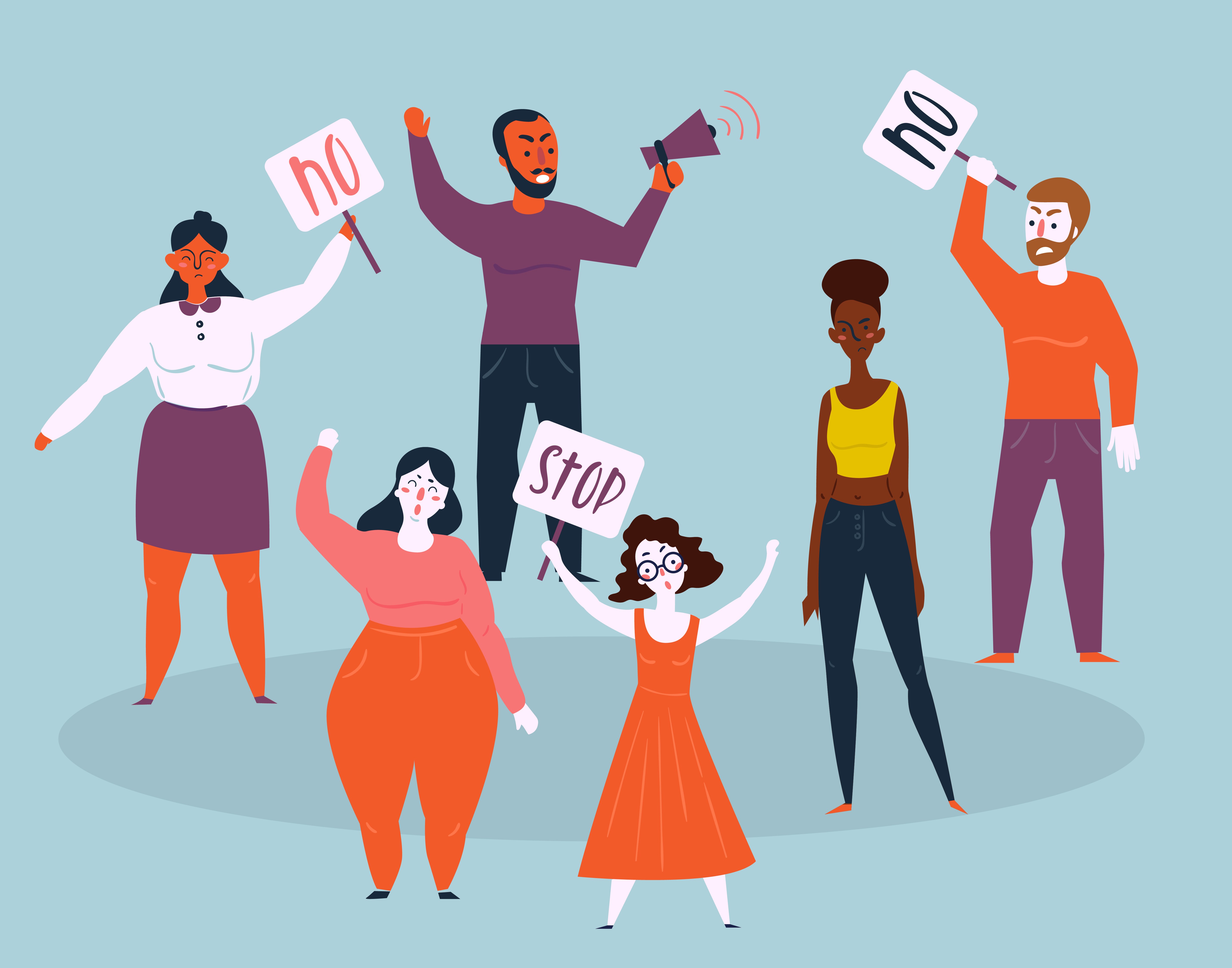
Clerks alleged Griggsby created an abusive work environment and bullied them, causing mental anguish and health issues they attributed to their clerkships.
The judiciary has a harassment problem that no one cares to solve.

Words have consequences, and violent words lead to violent acts.

The Legal Accountability Project's data indicate that around 1 in 17 federal judges are abusive, which aligns with the federal judiciary’s own data.

Most law firms, big and small, that have adopted AI are making the same mistake: they bought a tool for their lawyers and called it a strategy.

What do you call it when law schools withhold negative information about judges from students and try to prevent them from accessing candid clerkship information beyond the school’s approved resources? Lying.
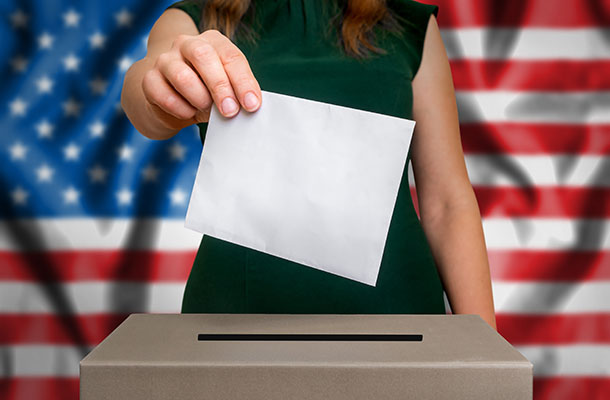
The Pennsylvania Supreme Court, like other state courts, is the backstop for democracy.

Why are judges still above the law?

We cannot allow the courts to quietly reassign clerks year after year while shielding judges from accountability.
Takeaways from a Legalweek panel on evolving malpractice risks.

So, you want to clerk -- how will you avoid judges who harass their clerks?

LAP is the only source of candid negative information about judges to avoid.

Behind closed doors, in every federal circuit and courthouse, year after year, judges mistreat clerks with impunity.

This is the biggest judicial accountability story since Joshua Kindred resigned in scandal last year, but the federal courts would prefer you not know about it.
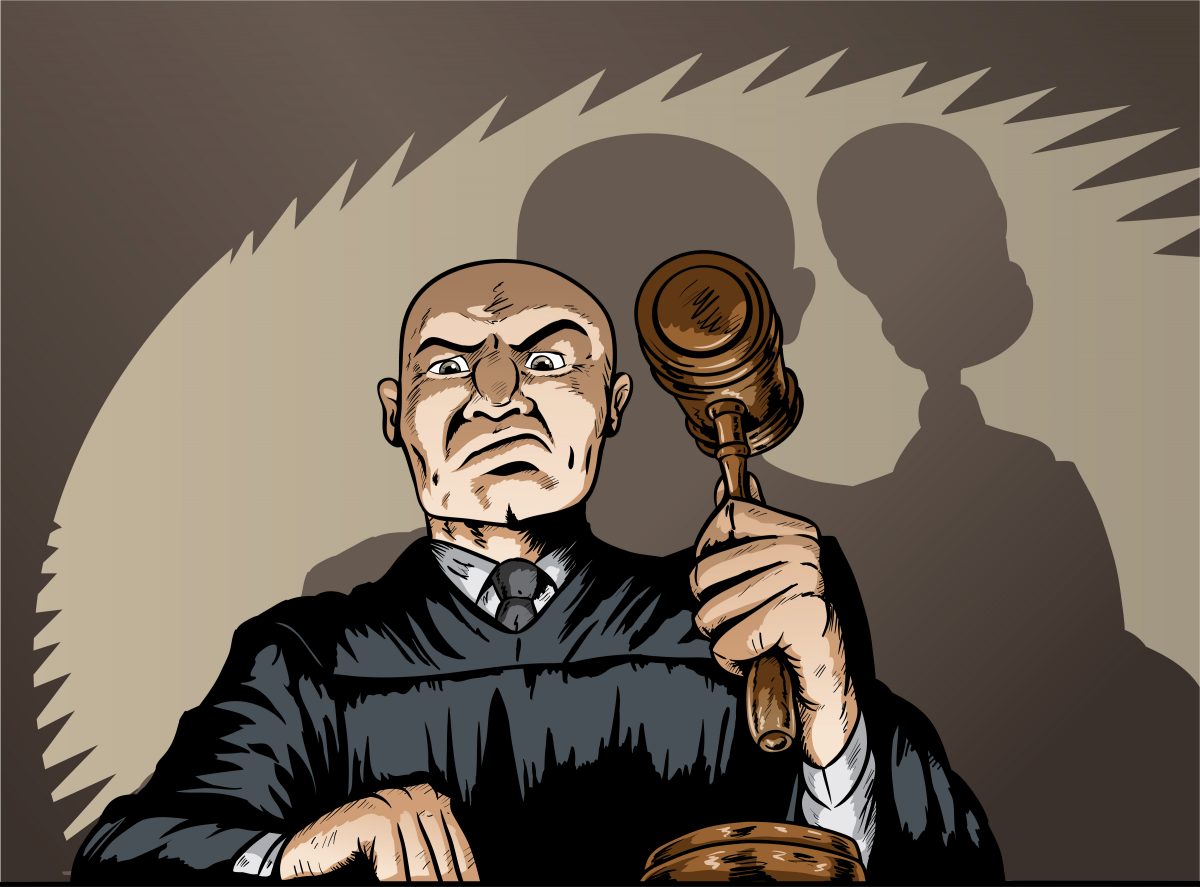
You’d be foolish to argue against transparency, just like you’d be foolish to bet against LAP.