 For working mothers, one of the most important parts of maternity leave — aside from time to recover from childbirth and time to bond with one’s newborn child — is job protection. A guarantee of job protection is incredibly important because it means that women who choose to have families needn’t fear that doing so puts their career at risk; they can take comfort in the fact that their job will be waiting for them when they return.
According to a recently filed EEOC claim, however, those job protection rules do not apply to those who are employed by the Nassau County Supreme Court. Tricia Moriates, a career law clerk in Long Island, New York, claims that Judge Robert A. Bruno fired her via text message last month while she was out on approved, unpaid maternity leave.
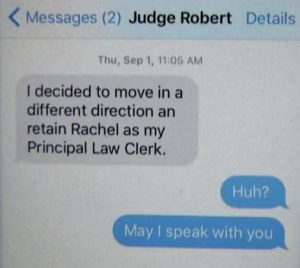 CBS New York broke the news of this story last night. These are some of the allegations in the claim Moriates filed:

AI Is Reshaping Legal Practice—But Tools Aren’t The Real Differentiator.
Explore the mindset, cultural shifts, and training strategies that define the AI‑savvy lawyer, revealing why human judgment, standardized competence, and integrated learning—not technology alone—will shape the future of the profession.
Moriates, attorney who for seven years has been clerking for Bruno, has filed an Equal Employment Opportunity complaint accusing the judge of making “sexist, archaic comments.” The complaint alleges that the judge on numerous occasions expressed “a woman’s place is in the home… after childbirth.”
“He has expressed that women with babies should stay home and take care of those babies,” Moriates said, “and I love my son and I love, you know, taking care of my family, but I love my career as well, and it’s not his choice to make.”
Moriates said Judge Bruno’s behavior was “not only offensive to [her,] but in this day and age, it’s offensive to all women.” Moriates continued, saying, “The whole purpose of maternity leave is to have, you know, the safety net of, you know, coming back to your job. That’s what our foremothers fought for.” W. Edwin Litton, an attorney for Moriates, noted there weren’t any complaints about her job performance.
Judge Bruno would not tell CBS New York why he chose to terminate Moriates while she was on maternity leave, and a court spokesperson explained that “it would be inappropriate at this time to further comment on the allegations,” as it was believed that a complaint would soon be filed by the Equal Employment Opportunity Commission.
If judges allegedly can’t follow the law when it comes to maternity leave, how can we expect other employers to do any better? We’ll continue to follow this case as it unfolds.

Schenck Price Competes Smarter With Lexis+ With Protégé
LexisNexis sat down with John Ursin, Managing Partner at Schenck Price, to learn how the firm is using legal AI to strengthen client service and daily legal work.
CBS2 Exclusive: Law Clerk Claims She Was Improperly Fired By Judge While On Maternity Leave [CBS New York]
Staci Zaretsky is an editor at Above the Law. Feel free to email her with any tips, questions, or comments. Follow her on Twitter or connect with her on LinkedIn.